






Efficient power generation underpins productivity across Western Australia’s remote mining and construction sites. In harsh conditions, small inefficiencies quickly translate into higher fuel use, lost uptime, and mounting operational costs.
Silverstone’s experts in remote power generation and energy services help you understand practical ways to maximise power generation and increase reliability.
Why Power Generation Efficiency Matters in Heavy Industries
Before looking at specific cost impacts, it helps to grasp the key drivers that typically erode efficiency:
The Cost of Inefficient Power Systems
Mining operations consume a large share of their energy from diesel generation, with off-grid sites often relying on gensets for most of their power needs. The Australian mining sector alone accounts for roughly 10% of total energy use nationally, with diesel making up around 41 per cent of that energy mix.
Delivered power costs for large industrial users have more than doubled on the South West Interconnected System (SWIS) over recent years, rising from around $125 per megawatt hour in 2020 to at least $210/MWh in 2025. These pressures increase the risk of unplanned expenses on remote sites without robust efficiency measures.
Inefficient systems also accelerate fuel burn and maintenance frequencies because engines operate outside their most efficient load range. Unplanned outages then force higher-cost reactive responses.
Impact on Project Timelines and Profitability
Power instability delays commissioning and limits throughput. Equipment operating outside optimal load ranges degrades faster and shortens overhaul intervals. Over time, inefficiency drives budget overruns.
For EPC contractors in Perth, reliable power supports predictable delivery and protects margins.
The Environmental and Compliance Perspective
Mining and construction projects face increasing scrutiny around emissions and fuel use. Efficient systems reduce diesel consumption while maintaining reliability. This balance supports sustainability benchmarks without compromising operational performance.
Moving the Needle: How to Actually Optimise a Site
So, how do you move from “it’s inefficient” to “it’s optimised”? In the harsh conditions of the Pilbara or the Goldfields, it comes down to two main technical levers.
Solving the “Sizing” Headache
The biggest efficiency killer on-site is often a mismatch between the gear and the load.
- The idle trap: Oversized units that spent half their life idling don’t just waste fuel; they suffer from “wet stacking” and carbon build-up.
- Smart staging: The goal is to keep engines running in their “sweet spot”. By using dynamic load assessment and synchronising multiple smaller units rather than one massive engine, a site can scale power up or down instantly as demand shifts.
Built for the WA Heat
Efficiency ratings on a spec sheet often disappear when the ambient temperature hits 45°C. To maintain peak performance in WA, the hardware has to be up to the task:
- High-ambient cooling: Using a cooling package not designed for desert conditions derates the engine, increases fuel consumption, and reduces system performance.
- Component integration: Pairing high-efficiency alternators with modern control logic allows the engine and alternator to deliver maximum kilowatts from every drop of diesel.
- Real-time telemetry: You can’t manage what you don’t measure. Modern control systems now provide the data needed to spot efficiency drifts before they become expensive failures.
Learn more: Diesel Power Systems vs. Hybrid Power Systems: Which Is Right for Your Project?
5 Proven Strategies to Improve Power Generation Efficiency
Efficiency improves through deliberate, system-level interventions:
1. Conduct Regular Load Studies and Data Monitoring
Real-time metering and smart controllers provide visibility into actual demand. Data reveals peak loads, idle periods, and opportunities to shut down excess capacity.
Silverstone tailors generator sizing using operational data, ensuring systems align with changing site requirements.
2. Adopt Hybrid Power Systems
Hybrid systems combine diesel generation with renewables to stabilise output and reduce fuel use. Solar integration offsets base loads during daylight hours, cutting generator runtime.
Hybrid configurations suit long-duration projects where fuel logistics and emissions carry increasing weight.
3. Integrate BESS for Load Balancing
Battery Energy Storage Systems smooth demand fluctuations and support peak shaving. Batteries absorb transient loads that would otherwise force generators into inefficient operating zones.
BESS also supports renewable integration and steadier generator operation, extending equipment life.
4. Implement Preventive Maintenance Schedules
Planned inspections and component lifecycle tracking reduce reactive repairs. Oil sampling and thermal monitoring detect inefficiencies early.
Silverstone uses remote monitoring to support predictive maintenance, reducing downtime and maintaining optimal performance across WA sites.
5. Optimise Cooling and Ventilation Systems
High ambient temperatures reduce generator efficiency. Effective airflow management, shading, and ventilation maintain output and protect components.
Designing for heat remains essential to maximise power generation efficiency in WA conditions.
How Silverstone Designs for Efficiency from the Start
Silverstone applies an integrated approach across design, engineering, operation, and maintenance. Efficiency considerations remain embedded throughout the asset lifecycle.
Our teams deliver modular and hybrid solutions suited to rapid deployment and evolving loads. As power engineering and design consultants, we align system architecture with operational reality. This approach supports reliable remote power generation across WA’s mining regions.
Delivering Efficiency for a WA Mining Power Project
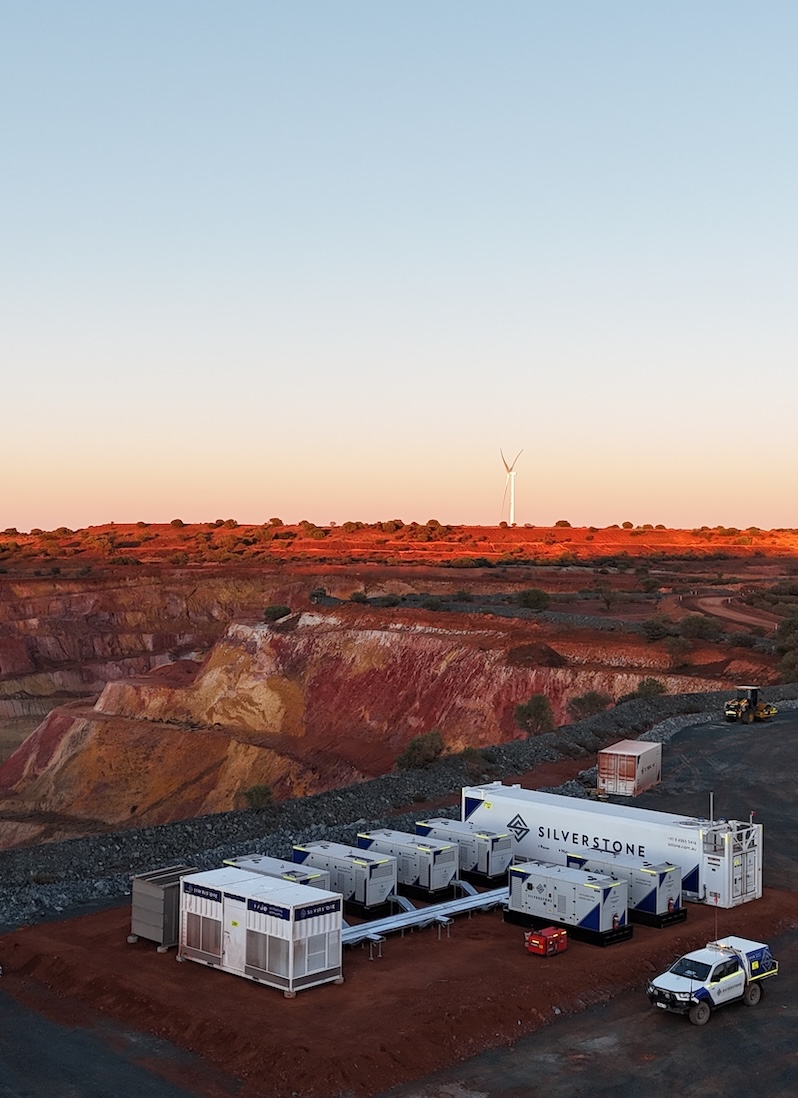
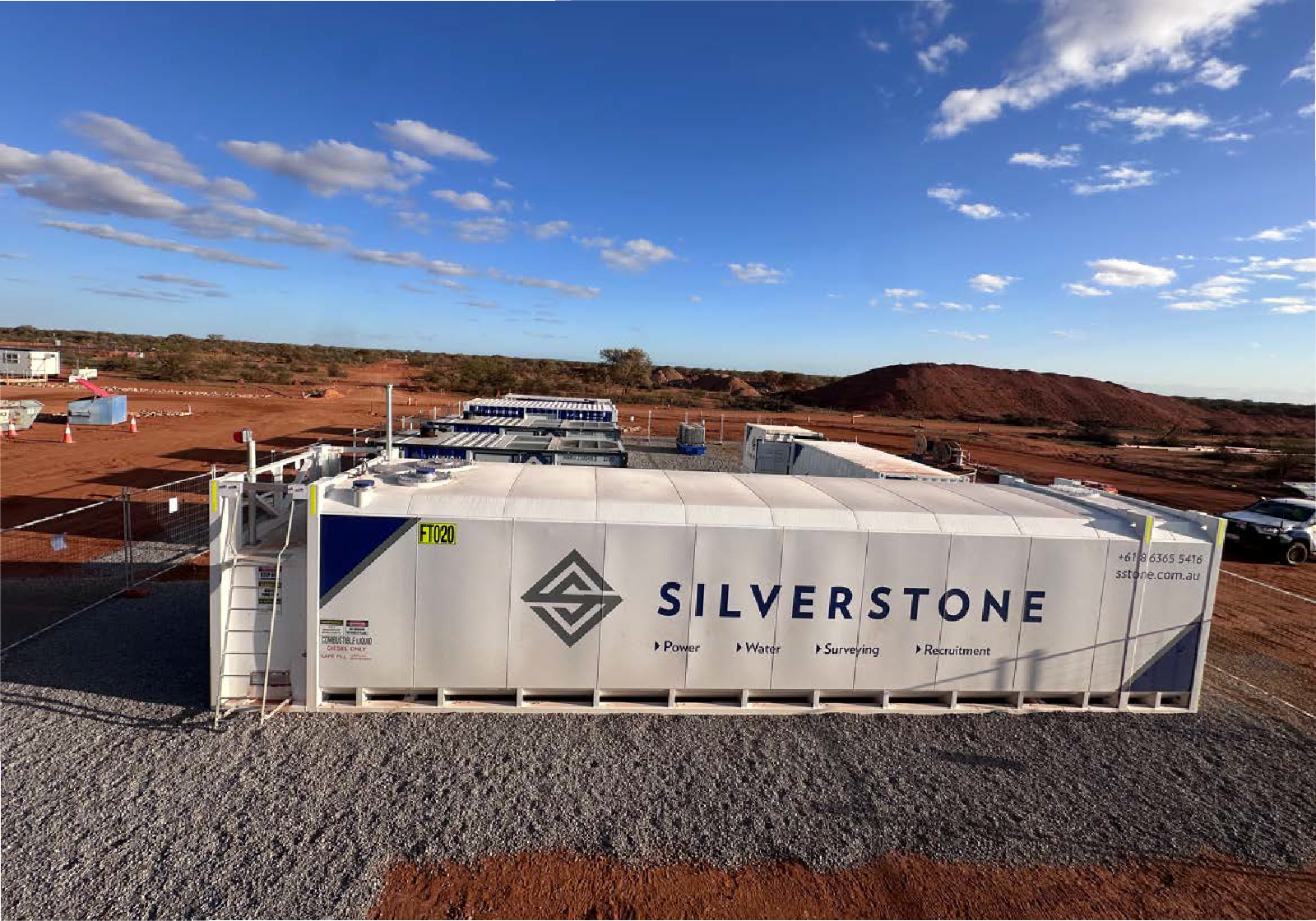
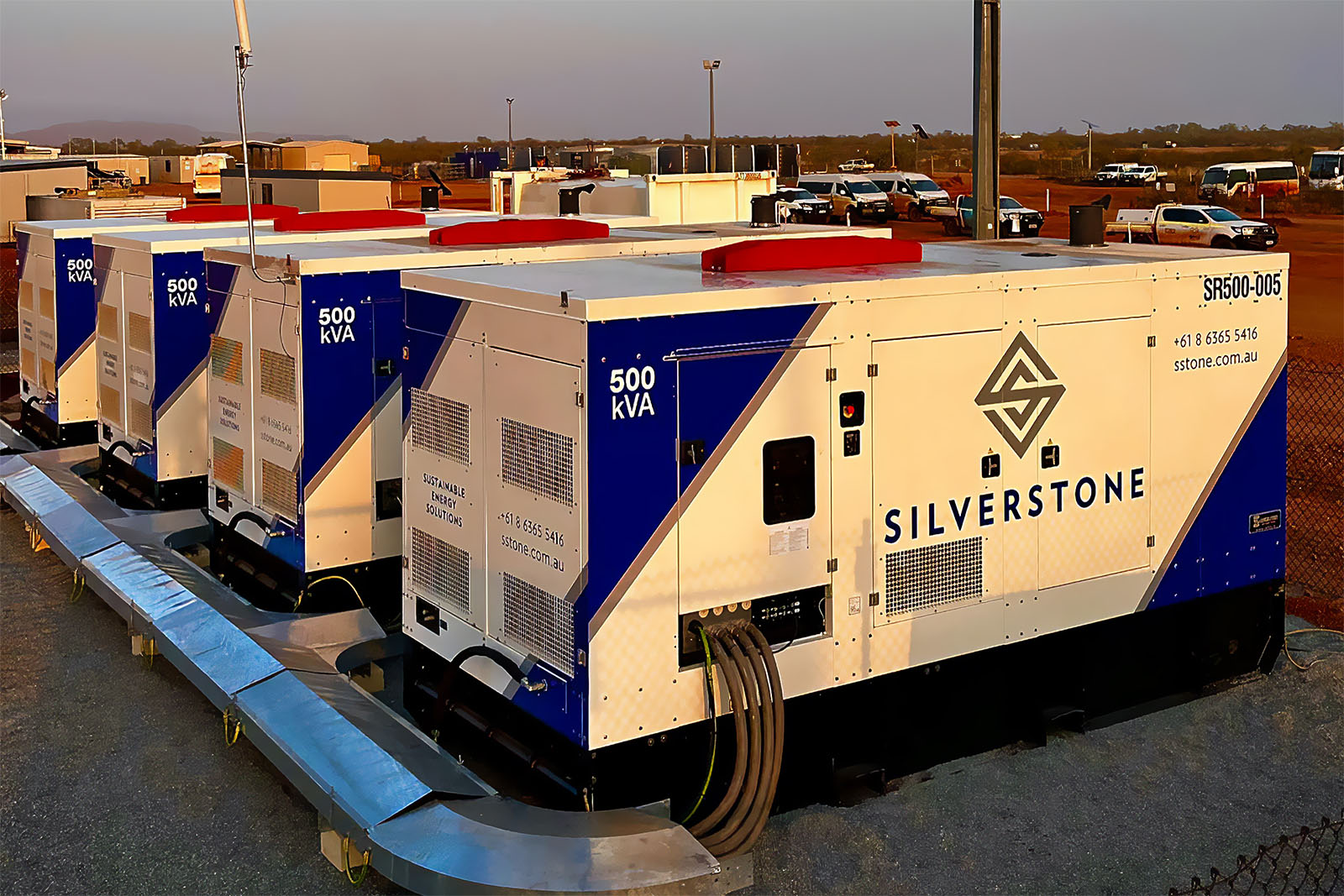
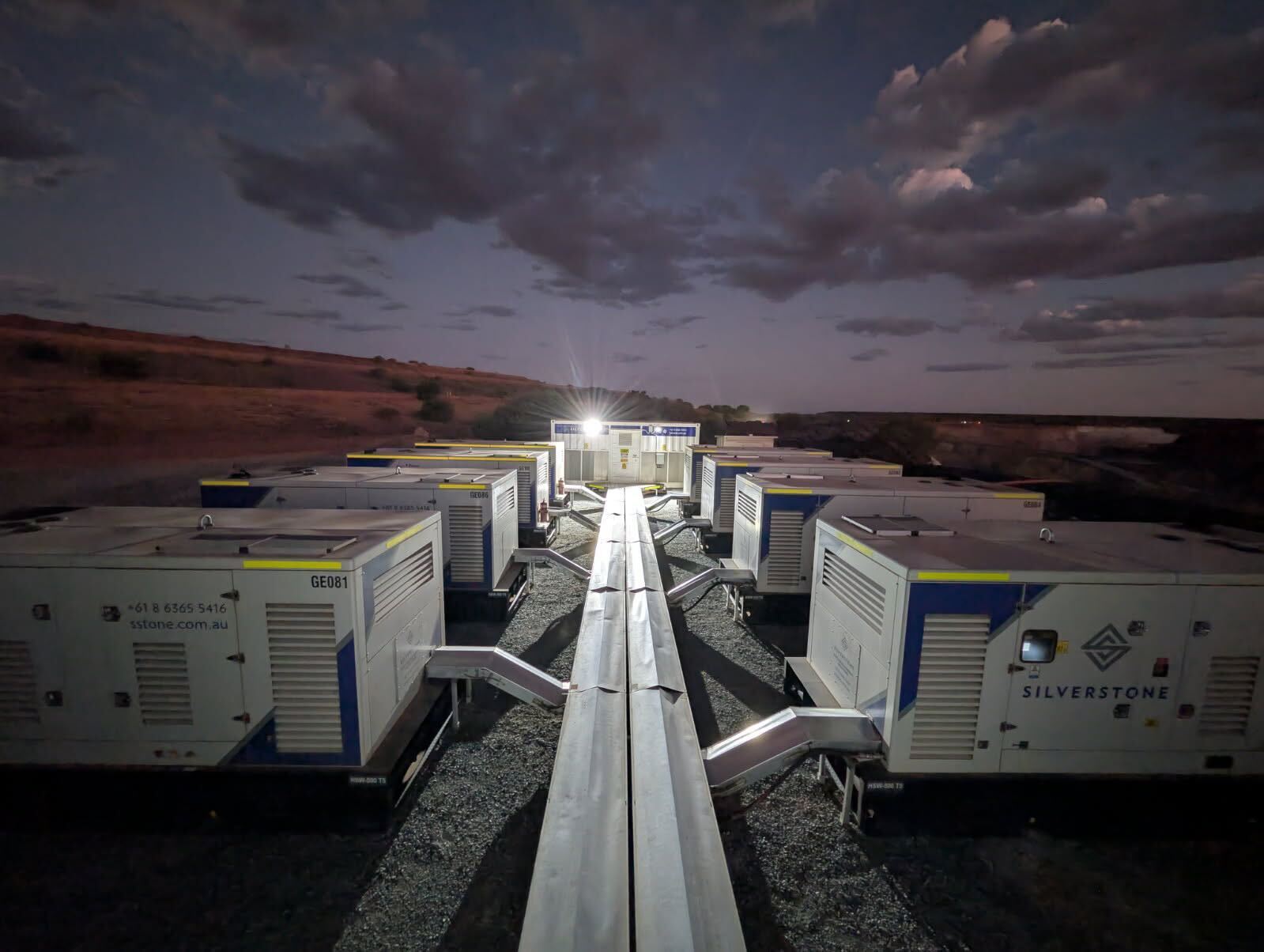
Silverstone delivered a 2 MVA diesel power station for a remote Pilbara mining site, managing design, supply, installation, and commissioning through an in-house team.
Challenge
The site faced high load variability, isolation, and harsh environmental conditions. Reliability and fuel efficiency were critical to maintaining continuous operations.
Solution
Silverstone installed four synchronised 500 kVA generators supported by a 30,000-litre fuel tank, integrated control systems, and full electrical, mechanical, and civil works.
Outcome
The power station delivered improved uptime, controlled fuel use, and reduced maintenance intervention frequency. The project was completed safely, on schedule, and within budget, demonstrating the value of efficient system design.
Future Trends in Efficient Power Generation
Mining operations increasingly adopt hybrid and renewable-supported systems. Smart controls, automated dispatch, and AI-driven monitoring continue to refine efficiency gains.
Silverstone focuses on applying proven technologies that deliver measurable performance improvements in demanding environments.
Powering Smarter, More Resilient Operations
To maximise power generation efficiency, mining and construction operators must prioritise load management, system design, and disciplined maintenance. Efficient power improves reliability, reduces cost, and supports sustainability across remote WA projects.
Silverstone delivers end-to-end power solutions with decades of in-house experience and proven systems. Call 08 6365 5416, or email [email protected] to discuss efficient power strategies for your site.