








Effective groundwater management is not just about pumps and pipelines; it is about understanding the land. In Western Australia’s complex hydrogeological landscape, it’s crucial to understand how regional knowledge improves groundwater management.
We look at how Silverstone applies WA-based experience to help operators manage groundwater projects with confidence.
The Importance of Local Expertise in Groundwater Management
In the WA resource sector, local knowledge is often the difference between a system that performs and one that fails when environmental pressures mount.
Climate and Environmental Conditions
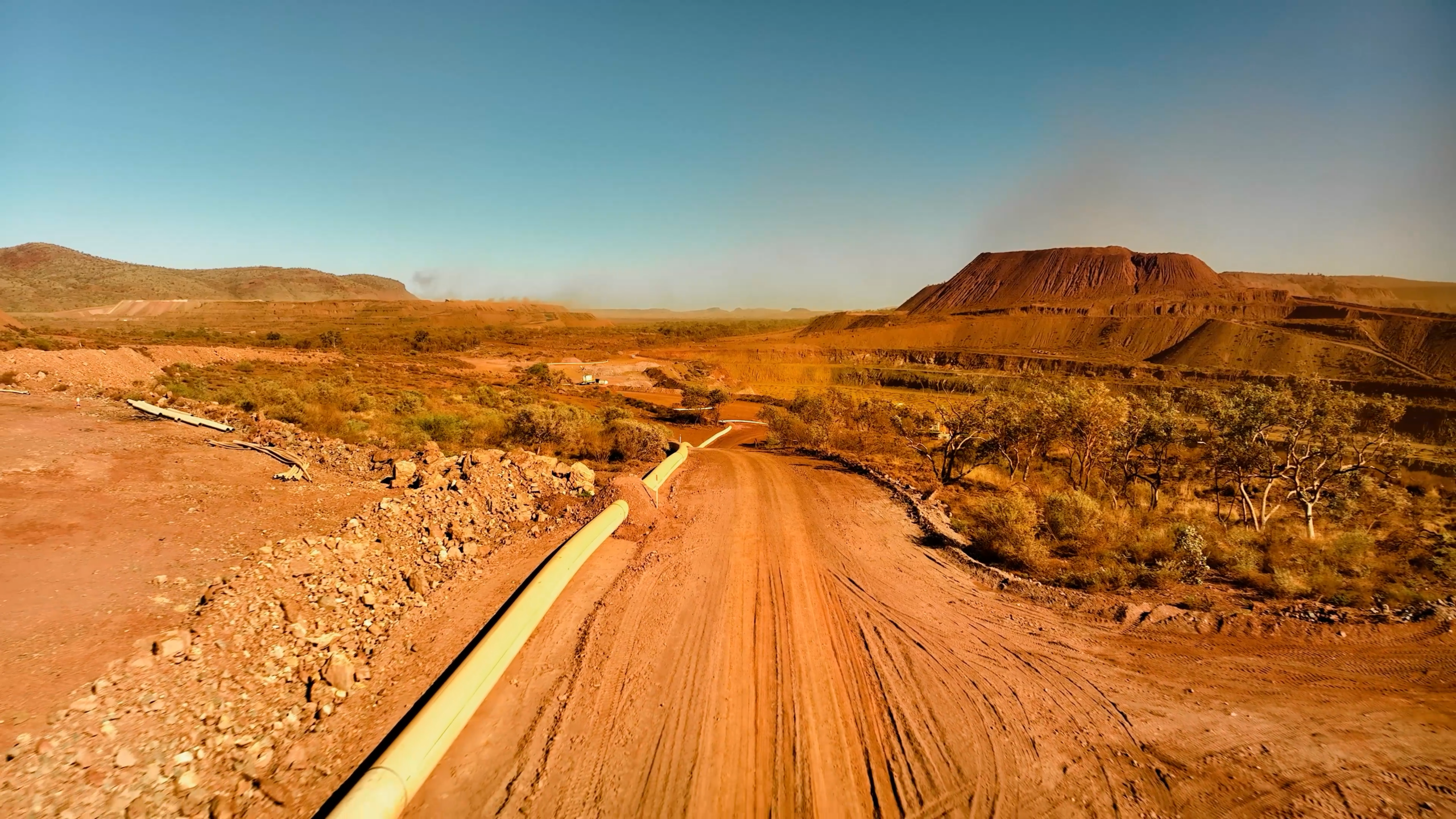
Groundwater management in WA means accounting for extreme variables. The management includes dealing with high evaporation rates that can reach 3,000mm annually in inland areas, alongside high salinity and temperatures that regularly exceed 45°C.
Local expertise ensures cooling packages and infrastructure suit these conditions. Proper design prevents thermal derating and premature pipe corrosion from hypersaline water.
Regulatory Familiarity
Navigating the Department of Water and Environmental Regulation (DWER) and Environmental Protection Authority (EPA) requirements is a significant part of project delivery. The process involves managing 5C licences for water extraction and strictly adhering to discharge limits.
For example, many contingency procedures require that electrical conductivity remain below 15,000 µS/cm before discharge is permitted. Familiarity with these compliance standards ensures that approvals move forward without the costly delays caused by incomplete data or misunderstood regulatory frameworks.
Long-Term Resource Sustainability and Closure Planning
Local knowledge is essential when planning a mine’s full life cycle. Effective groundwater management shows how extraction affects local aquifers over decades, not months. This foresight helps operators design systems that support successful closure and environmental relinquishment.
By understanding local recharge rates, teams can prevent long-term drawdown and protect regional water security. This proactive approach reduces environmental legacy risks and helps maintain the project’s social licence to operate.
Common Groundwater Management Challenges in WA Projects
Remote operations face a recurring set of hurdles that demand a specialised water management company with local boots on the ground.
- Managing high groundwater levels in pit operations: Excessive water in a pit is a direct threat to safety and productivity, requiring precise system scalability.
- Ensuring long-term borefield reliability: Maintaining flow over the life of a mine requires a disciplined maintenance regime and an understanding of local water chemistry.
- Achieving compliance with water limits: DWER sets strict abstraction and discharge limits, making real-time monitoring and verified as-built surveys non-negotiable.
- Balancing operational efficiency with sustainability: Local teams focus on optimising pump duty cycles to reduce energy consumption and fuel burn while hitting water targets.
Learn more: Water Infrastructure Challenges in Mining and How to Overcome Them.
How Local Knowledge Enhances Every Stage of a Groundwater Project
Reliable groundwater outcomes depend on a structured approach that integrates regional environmental data into every project milestone:
1. Site Assessment and Planning
A successful project starts with accurate data. Local survey and hydrogeological data collection allow for the creation of dewatering models that reflect reality, not just theory. Early engagement with regulators, backed by robust local data, significantly reduces approval lead times and prevents project bottlenecks.
2. System Design and Engineering
Design must match the ground conditions. Experience with WA’s soils and rock enables precise pump, HDPE piping, and power system selection. Having established relationships with local material suppliers across the state also helps reduce the logistics delays that often plague remote mobilisations.
3. Installation and Commissioning
Groundwater infrastructure is only as good as its installation. Skilled local crews who are already familiar with WA mine safety protocols and site-specific procedures ensure a smoother delivery. Local logistics expertise means mobilising the right gear through the right road networks, avoiding common pitfalls of remote transport in the Pilbara or Goldfields.
4. Monitoring and Maintenance
Once the system is live, the work continues. On-site teams support regular water level tracking and bore performance optimisation. By using real-time telemetry, managers can spot efficiency drifts or falling water levels before they impact the broader operation.
Real-World Examples: Local Knowledge in Action in Pilbara
Location: Pilbara, WA | Value: $10M+ | Personnel: 45+
The Challenge
Silverstone managed a major infrastructure project for a prominent mining company in the Pilbara. The project required working inside high-risk areas while integrating seamlessly alongside major EPCM projects.
The Solution
Silverstone’s scope incorporated survey, mechanical, electrical, civil, and piping works. Key deliverables included:
- Initial survey set-out, construction control, and as-built verification.
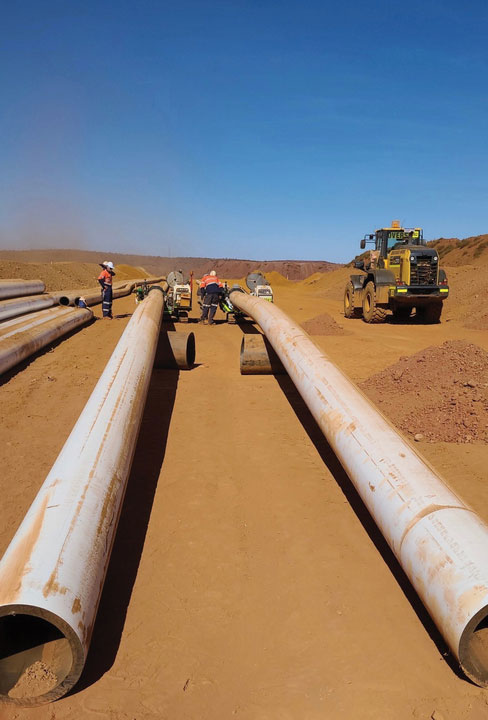
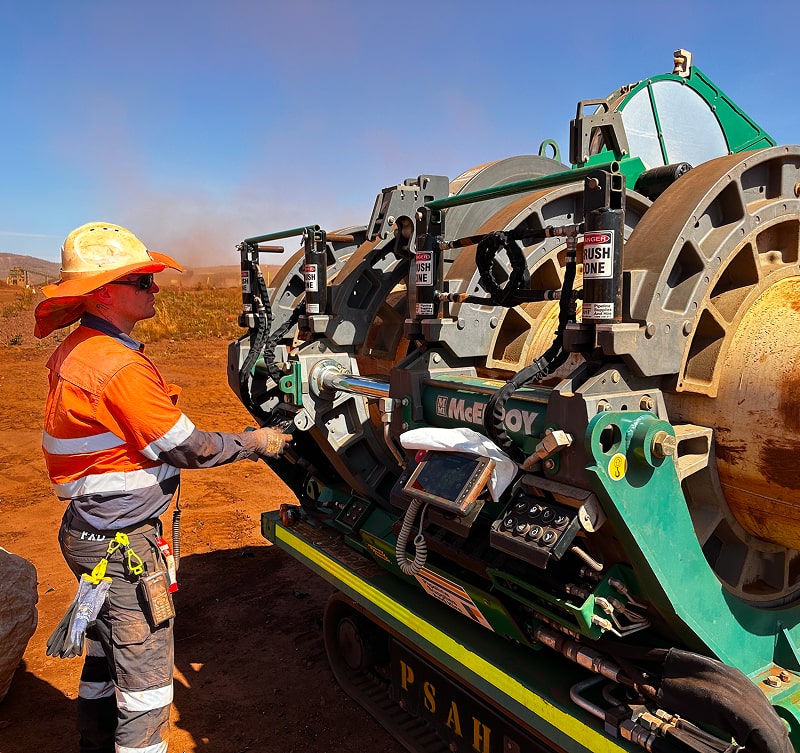
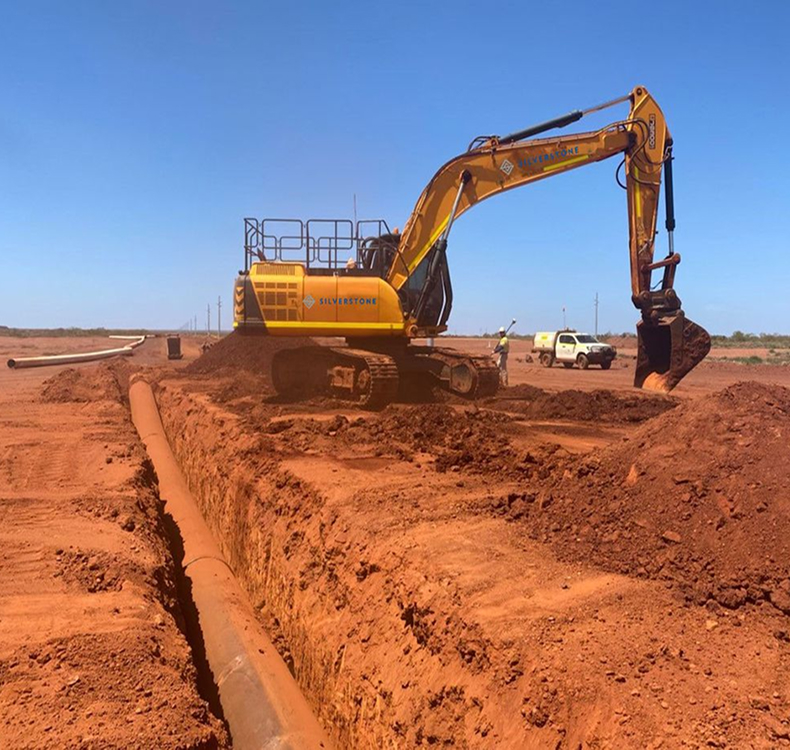
- Installation, testing, and commissioning of 32km of high-density polyethylene (HDPE) spur pipes for 6 new bores.
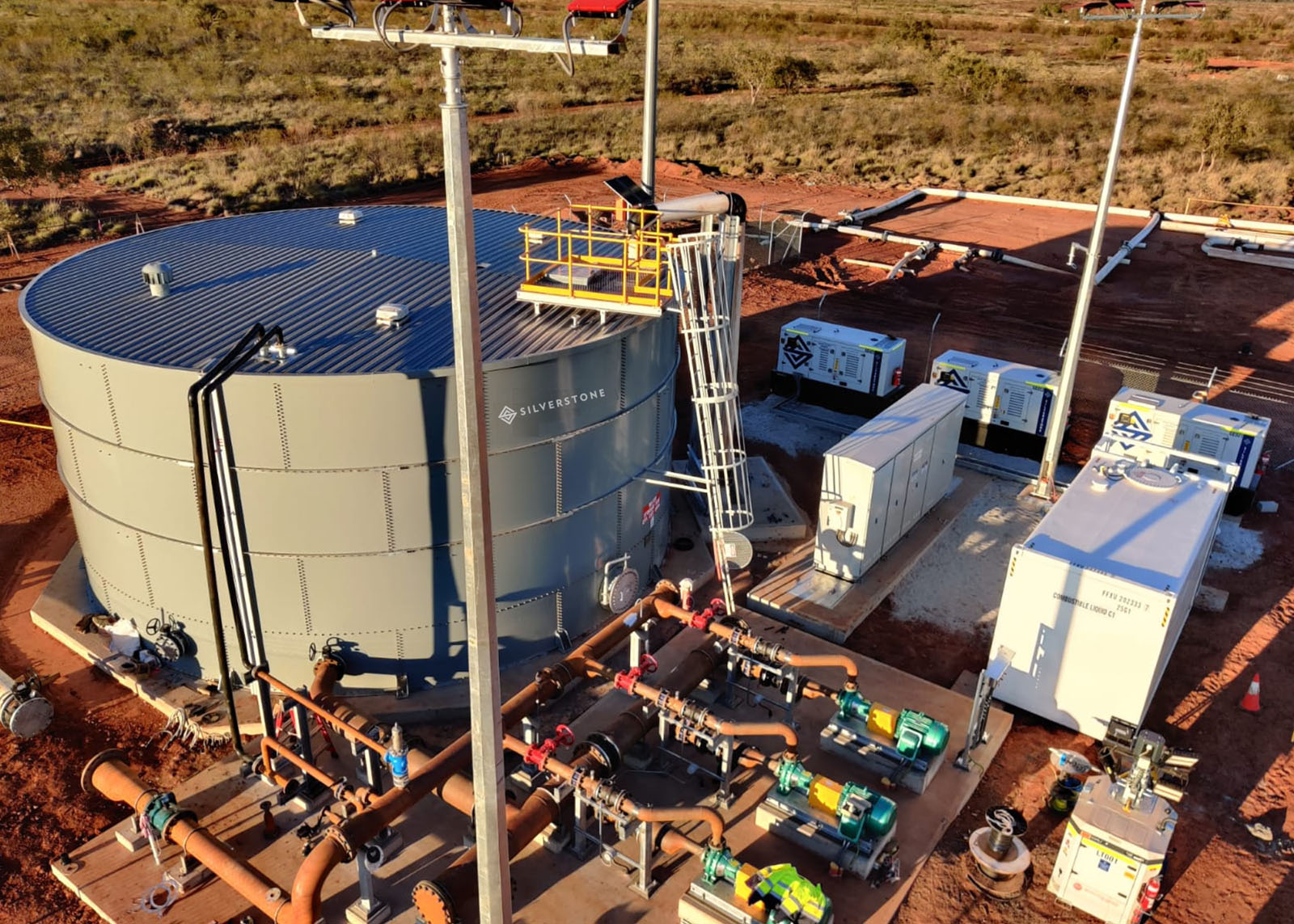
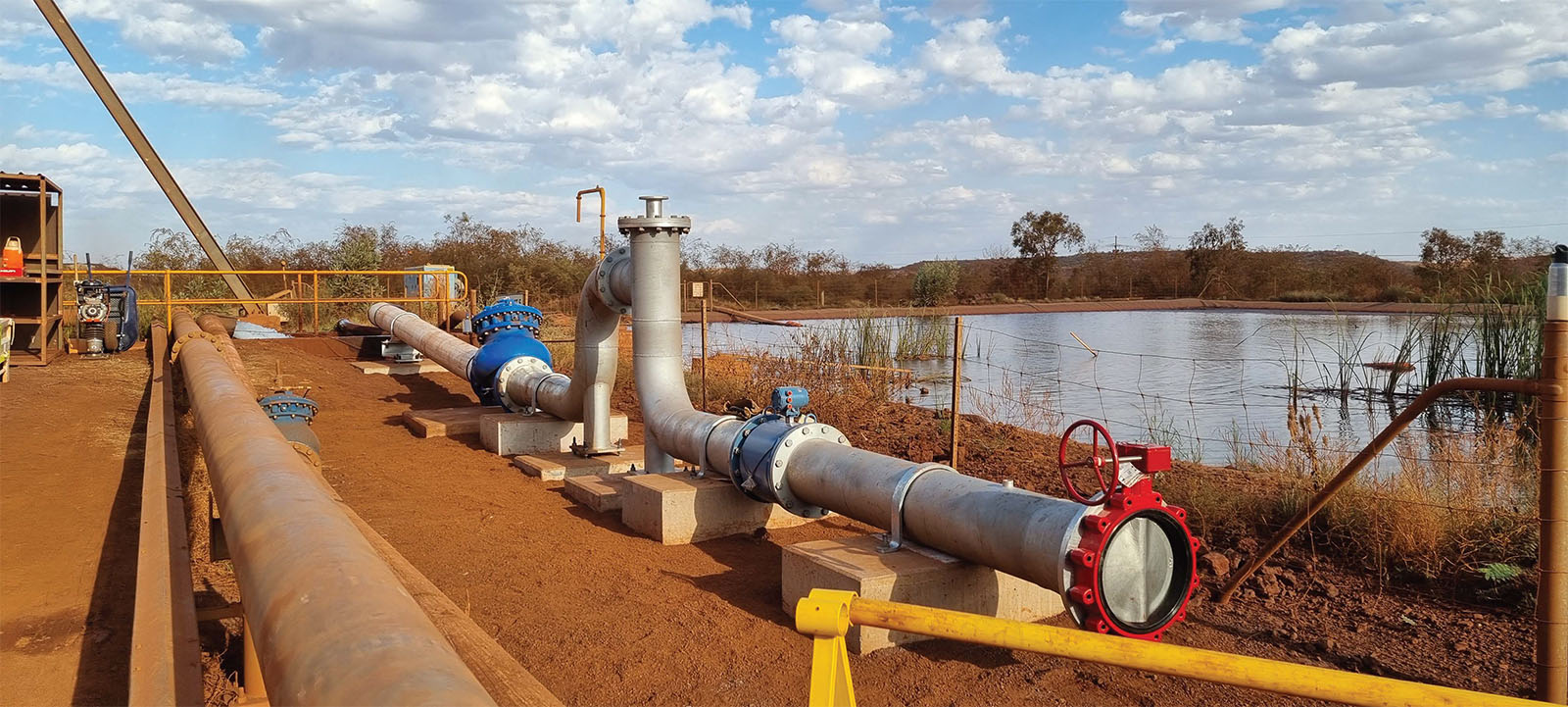
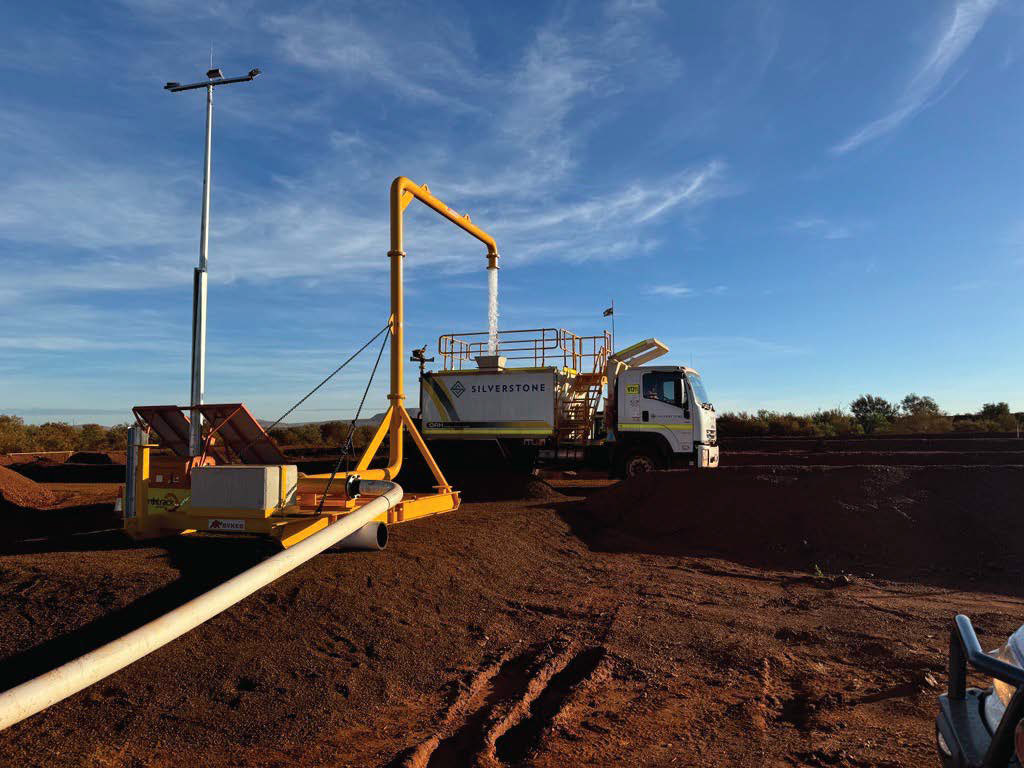
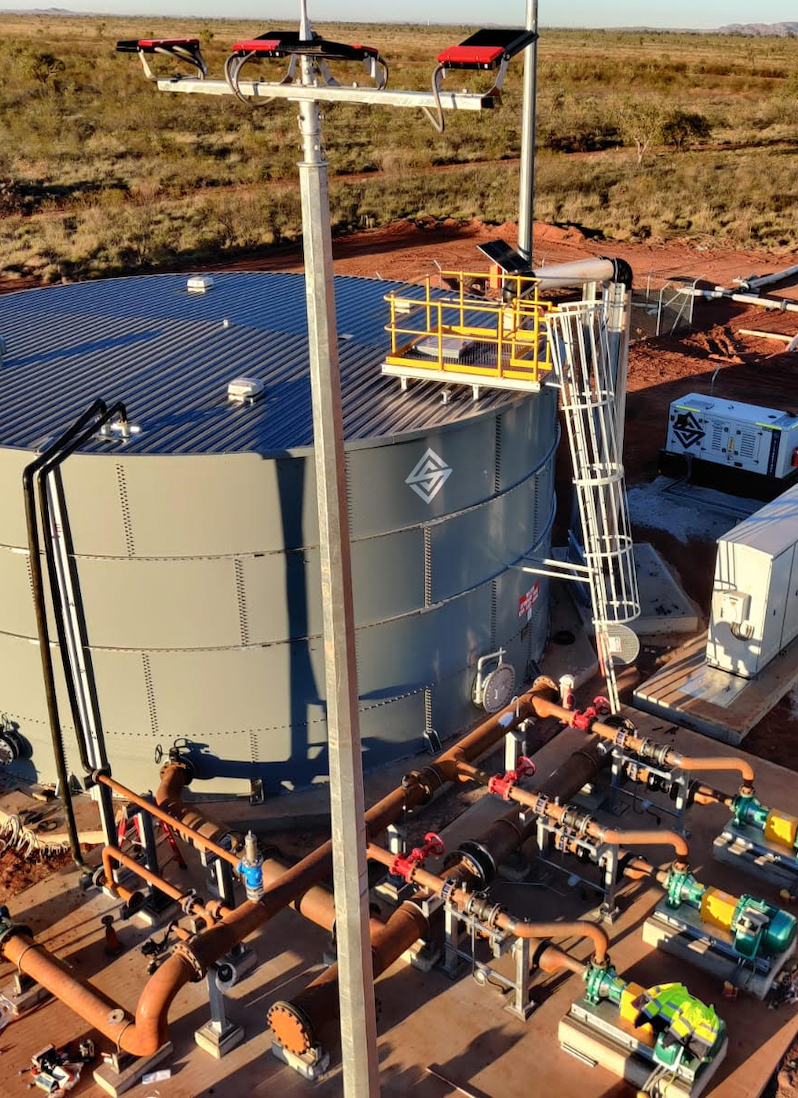
- Installation of 6 dewatering packages, 3 transfer pump stations, and electric transfer pump stations.
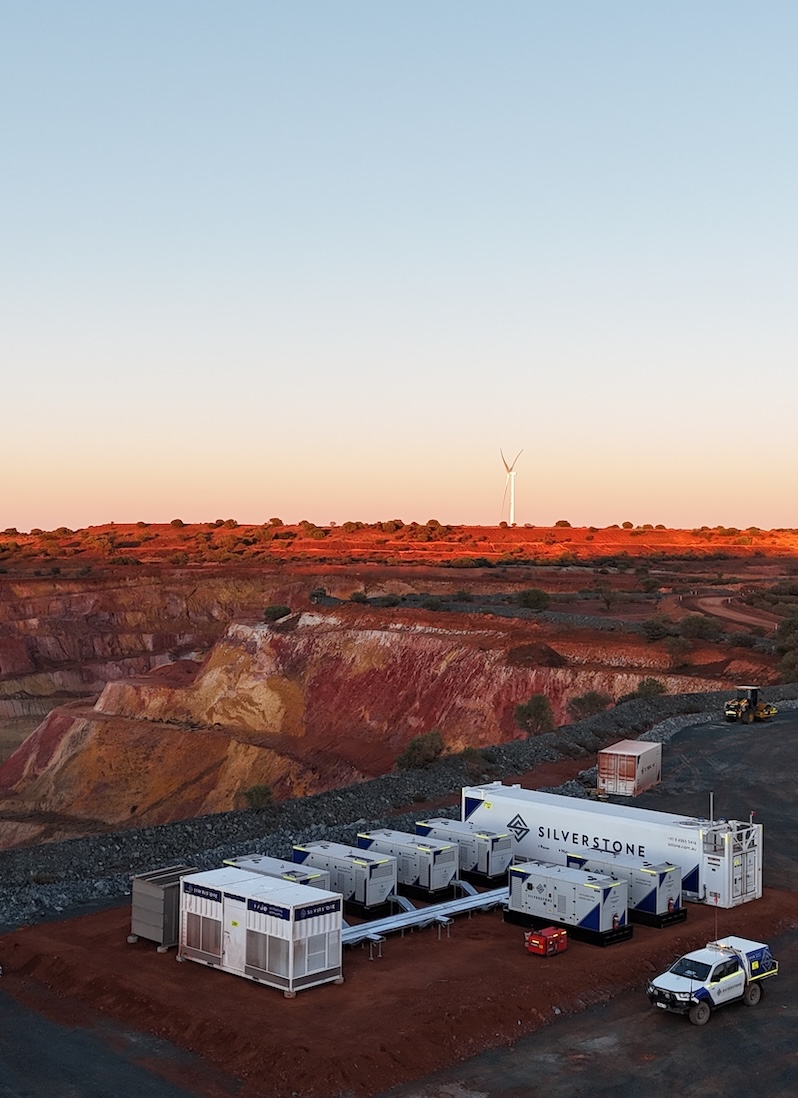
- Supply and installation of 31 generators and 3 HDD directional drill shots.
Silverstone exceeded expectations by completing the project safely, on time, and within the agreed budget. The team also provides ongoing support and maintenance to ensure long-term system reliability.
Is your site water-ready? Inefficient groundwater management drives up costs. Speak with local experts who understand the WA landscape. Consult with a Silverstone specialist.
The Silverstone Advantage: Local Knowledge, Proven Results
As experienced water infrastructure contractors, Silverstone brings an integrated approach across design, engineering, and maintenance.
- WA-based expertise: Our teams have decades of combined project experience specifically within Western Australia’s resource sector.
- End-to-end capability: We manage everything in-house, from initial dewatering system design and engineering to field installation.
- Strong regional networks: We maintain robust supplier and contractor networks across the Pilbara, Goldfields, and Mid West to ensure project continuity.
- Safety and performance: We maintain a zero LTI record and deliver projects on budget in the most demanding environments.
Turning Local Insight into Construction Certainty
Groundwater management in Western Australia is complex, but local knowledge makes the difference. Understanding how local knowledge improves groundwater management allows teams to respond to regional conditions with precision and confidence. Silverstone’s local experts design water infrastructure that reflects the realities of the landscape it serves.
From assessment through commissioning, Silverstone delivers accurate, practical solutions backed by on-the-ground expertise. Contact Silverstone at [email protected] or call 08 6365 5416 to discuss your project’s groundwater challenges.