







WA Fuel Shortage
Fuel shortages in Western Australia are now affecting mining operations, with Blue Cap Mining forced to scale back activity at its gold mine.
The disruption highlights how the global fuel crisis, linked to conflict in the Middle East, is impacting small and mid-tier mining companies across WA.
Blue Cap Mining has stood down a significant portion of its fly-in, fly-out workforce as diesel supply tightens. This marks one of the first clear signs of operational disruption in the WA resources sector.
Blue Cap Mining Reduces Workforce Due to Diesel Supply Issues
Blue Cap Mining has reduced operations due to limited fuel availability. The company has stood down around two thirds of its 180-person workforce.
“We had about 50 to 60 people affected over the weekend, and probably another 50 to 60 over the next few days will be told to stay home rather than come to work,” Blue Cap’s Managing Director, Ashley Fraser, told ABC Radio Perth on Tuesday morning.
The company is adjusting production levels to avoid running out of diesel. This approach aims to extend available fuel supply while uncertainty continues.
Devon Gold Mine Operations Under Pressure
Blue Cap operates the Devon gold mine near Laverton in Western Australia. The site is located about 900 kilometres north-east of Perth.
Mining continues at Devon under a profit-sharing agreement with Matsa Resources. Ore is extracted from an open pit and transported nearly 300 kilometres for processing.
However, fuel shortages are placing pressure on daily operations. The company uses approximately 15,000 litres of diesel each day across its projects.
Fuel Supply Constraints Disrupt Mining Activity in WA
Independent fuel distributors are struggling to meet demand across regional Western Australia. Smaller mining operators are feeling the impact first.
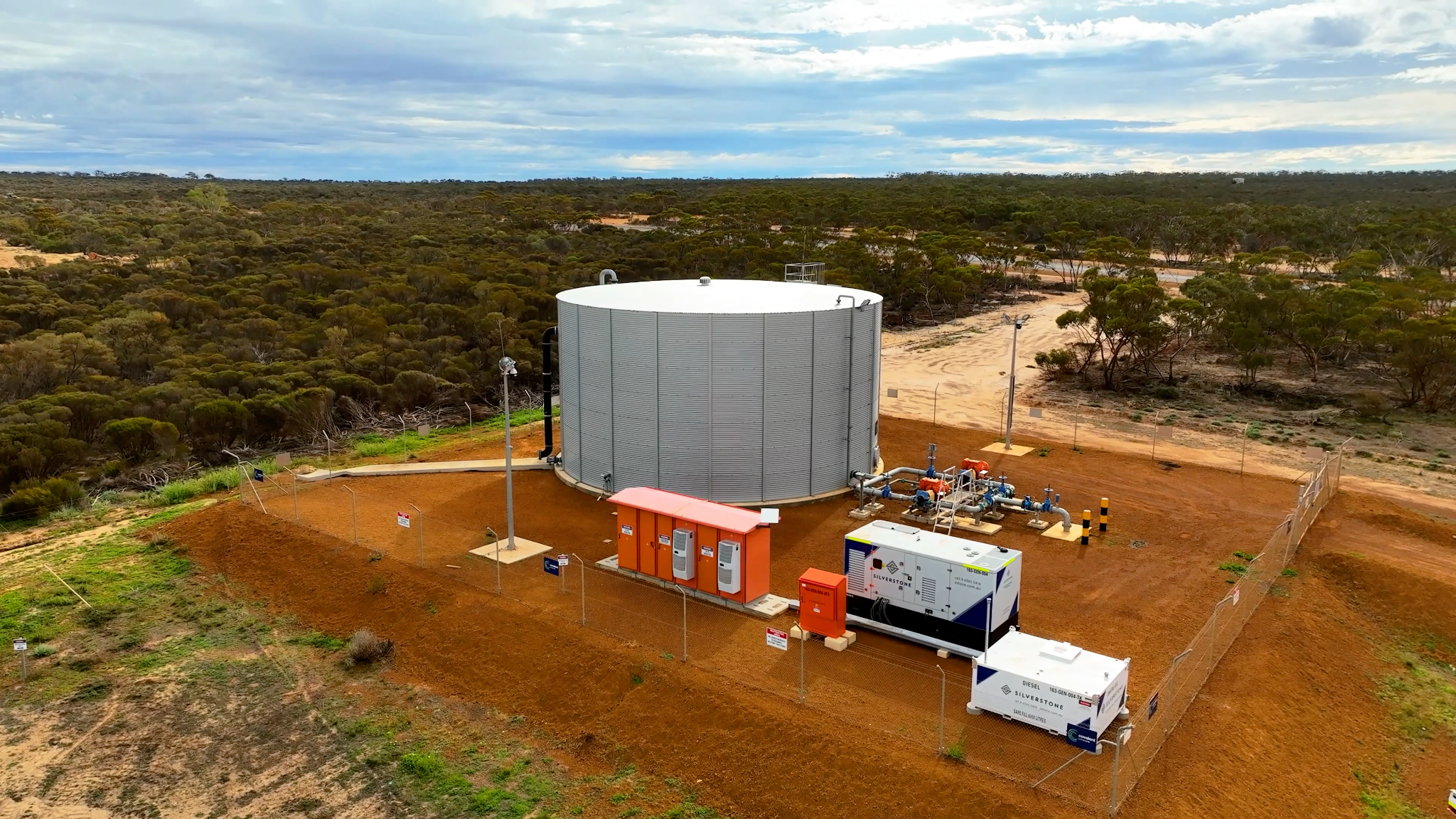
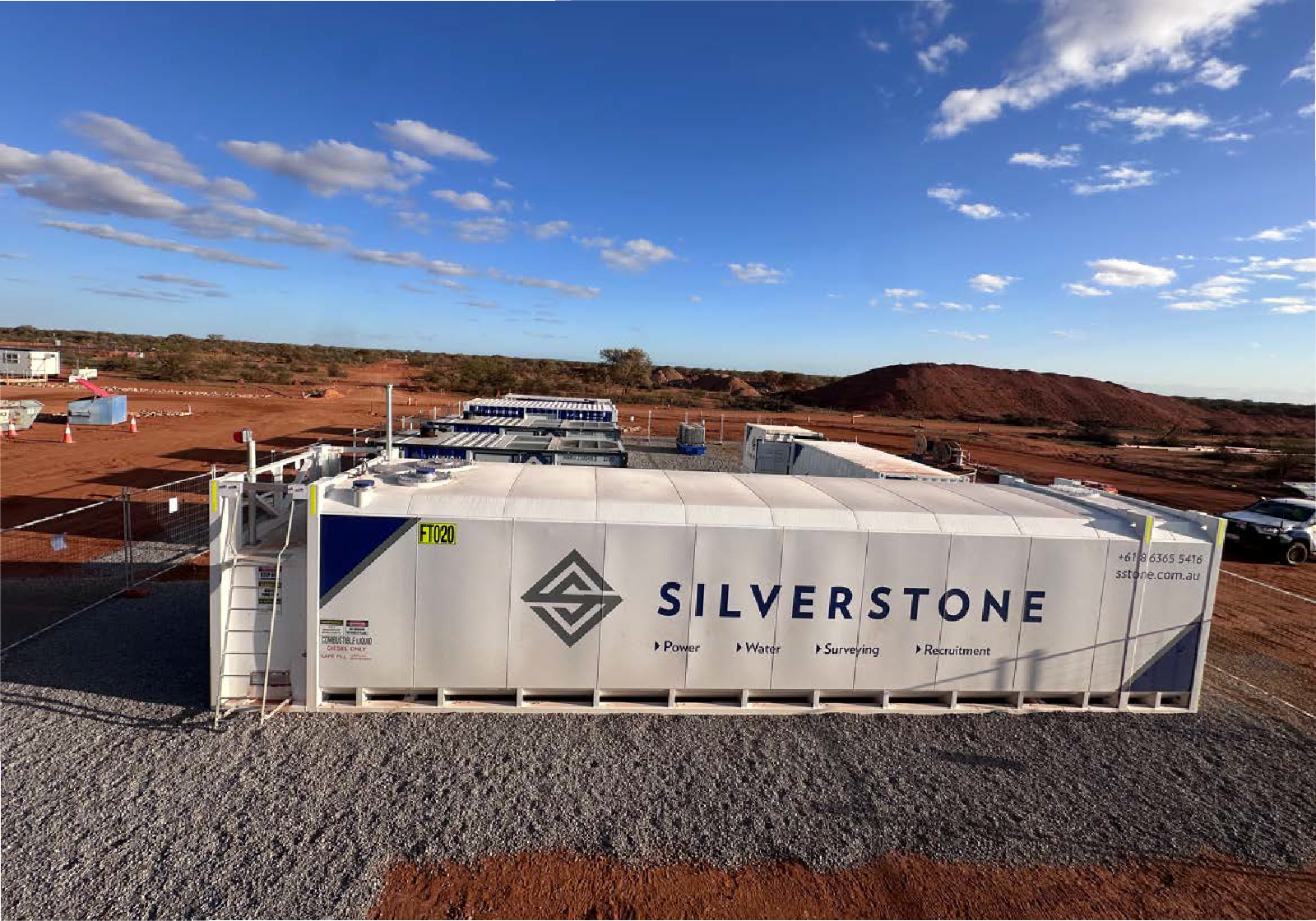
“My primary concern is increasing our storage capacity on site, because I can’t see it being solved any time soon,” he said.
Blue Cap currently holds less than two weeks of fuel at normal operating levels. The company is reducing production to manage this limited supply.
“When I say that we’re parking up equipment and we’re sending people home, that’s somewhat pre-empting the view that we only have a certain amount of supply such that we don’t run out of all our fuel in a day or two,” Mr Fraser said.
“We’ll be dialling down our production until we can get some surety around what that fuel supply looks like.
“The feedback that we’re getting is, don’t expect more than 30 to 40 per cent of the fuel you normally get once or twice a week.”
Mining Industry Faces Growing Diesel Dependence
Australia’s mining industry relies heavily on diesel fuel to operate. The sector consumes nearly 10 billion litres of diesel each year.
Mining accounted for 35 per cent of national diesel usage in the 2023–24 financial year. Demand has increased significantly over the past decade.
Large mining companies often have secure fuel supply contracts. Smaller operators depend on independent distributors, which creates supply risk during disruptions.
“It’s frustrating. It’s not a level playing field and it’s probably not unlike the impacts that we all felt during COVID-19,” he said. “It’s all well and good to say Australia has lots of supply, we have full tanks in Singapore — what’s not being said is there is not a 100 per cent supply for all.
“Small and medium-sized businesses wouldn’t be in this position if there wasn’t an issue.”
Government Responds to WA Fuel Supply Crisis
Western Australian officials have acknowledged the seriousness of the situation. Authorities are monitoring fuel distribution and prioritising critical supply routes.
WA Premier Roger Cook described the situation as “very concerning”.
“That’s why we have our fuel industry operations group that meets on a daily basis, to identify where these shortages are and make sure the trucks get there as a matter of priority,” he said.
“We’ll obviously reach out to this company to work out what their circumstances are and how we can help.”
Political leaders have also raised concerns about broader economic impacts. Reliable diesel supply remains essential for mining, agriculture, and transport sectors.
Mining Sector Warns of Wider Supply Chain Disruptions
Industry groups warn that the issue extends beyond a single operator. Fuel supply disruptions are beginning to affect multiple mining operations in regional WA.
The Chamber of Minerals and Energy WA confirmed similar challenges across the Goldfields region. This suggests a wider supply chain issue is emerging.
Opposition Leader Basil Zempilas highlighted the importance of fuel security for the state economy.
“Western Australia is the engine room of the nation’s economy and that engine runs on diesel,” he said.
“So any shortages of diesel fuel are going to greatly impact Western Australia and Australia’s economy more broadly, so of course we have to make sure that there are adequate supplies getting through to industry and agriculture.”
Global Conflict Drives Fuel Shortage Risks in Australia
The fuel supply issue is linked to instability in the Middle East. Concerns remain about potential disruptions to global oil transport routes.
Federal Shadow Minister for Industry Andrew Hastie warned of broader impacts on Australia’s economy.
“This worker stand down by Blue Cap mining is an early warning sign that we are about to experience the impact of serious national fuel shortage,” he said.
“We are not insulated from the war in the Middle East, and an extended closure of the Strait of Hormuz will impact our economy.”
The federal government is reviewing options to reduce the impact of global fuel disruptions.
Resources Minister Madeleine King said authorities are assessing measures to protect industries and households.
What This Means for WA Mining and Resources Sector
The situation highlights the vulnerability of diesel-dependent industries in Western Australia. Mining operations rely on consistent fuel supply to maintain productivity.
Small and mid-tier mining companies face greater exposure to supply disruptions. Limited access to fuel can quickly impact workforce planning and production output.
The Blue Cap Mining case signals a potential shift in how fuel security is managed across the resources sector.
Companies may need to invest in larger on-site storage and diversify supply channels. These strategies could reduce future risk.