








Civil works for water infrastructure build the foundation for long-term reliability and safe water access. Ultimately, this is why civil construction is important in water infrastructure. It determines whether a system performs or fails.
Understanding Why Civil Construction is Important in Water Infrastructure Projects
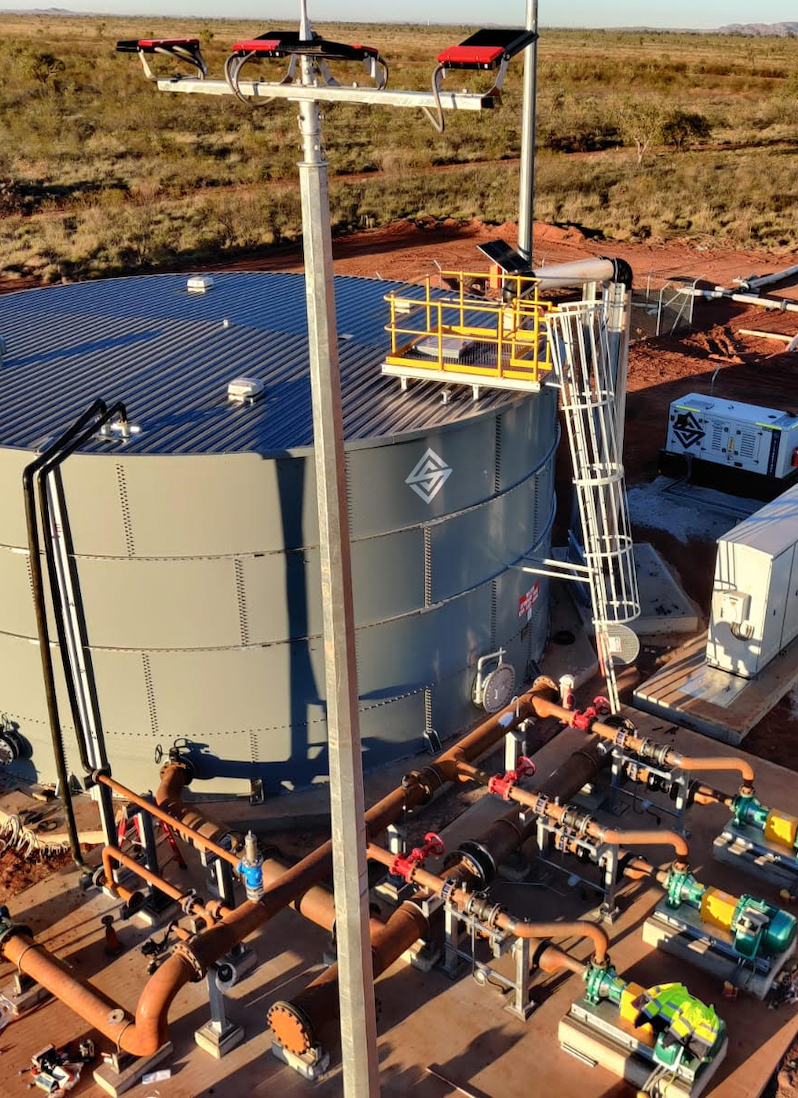
Most conversations about water infrastructure in large-scale projects focus on the machinery that keeps water moving:
- Pipelines
- Pump stations
- Storage tanks
- Drainage and stormwater systems
- Wastewater treatment
- Bore fields
- Water distribution networks
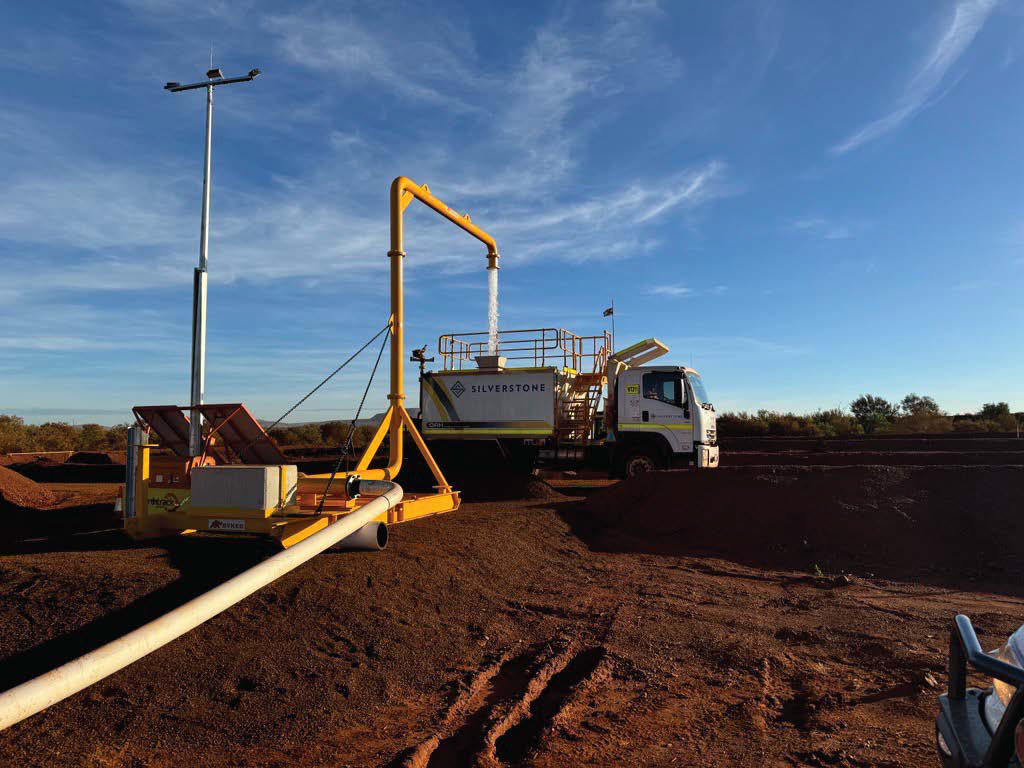
- Fire and dust suppression systems
These are all essential in mining, utilities, industrial developments, and remote infrastructure projects. They support production, compliance, and site safety, and often provide local communities with clean water access.
But here’s the problem: starting with machinery and components misses a critical step.
Water infrastructure cannot perform reliably without well-executed civil construction.
What is Civil Construction in Water Infrastructure?
Civil construction is the work that prepares, supports, and protects water infrastructure so it can operate as designed.
Site Preparation and Earthworks
Bulk earthworks, cutting, filling, and compaction create stable foundations that can withstand load, vibration, and environmental conditions.
If this stage is compromised, the entire system is at risk. Settlement, erosion, and misalignment are costly issues to remedy later.
Trenching and Pipeline Installation
Good pipeline performance starts with accurate trenching, correct bedding, proper laying, and controlled backfill.
Poor installation leads to joint failure, leaks, and reduced service life. Precision in excavation and installation is critical to avoid rework and operational disruption.
Structural Foundations
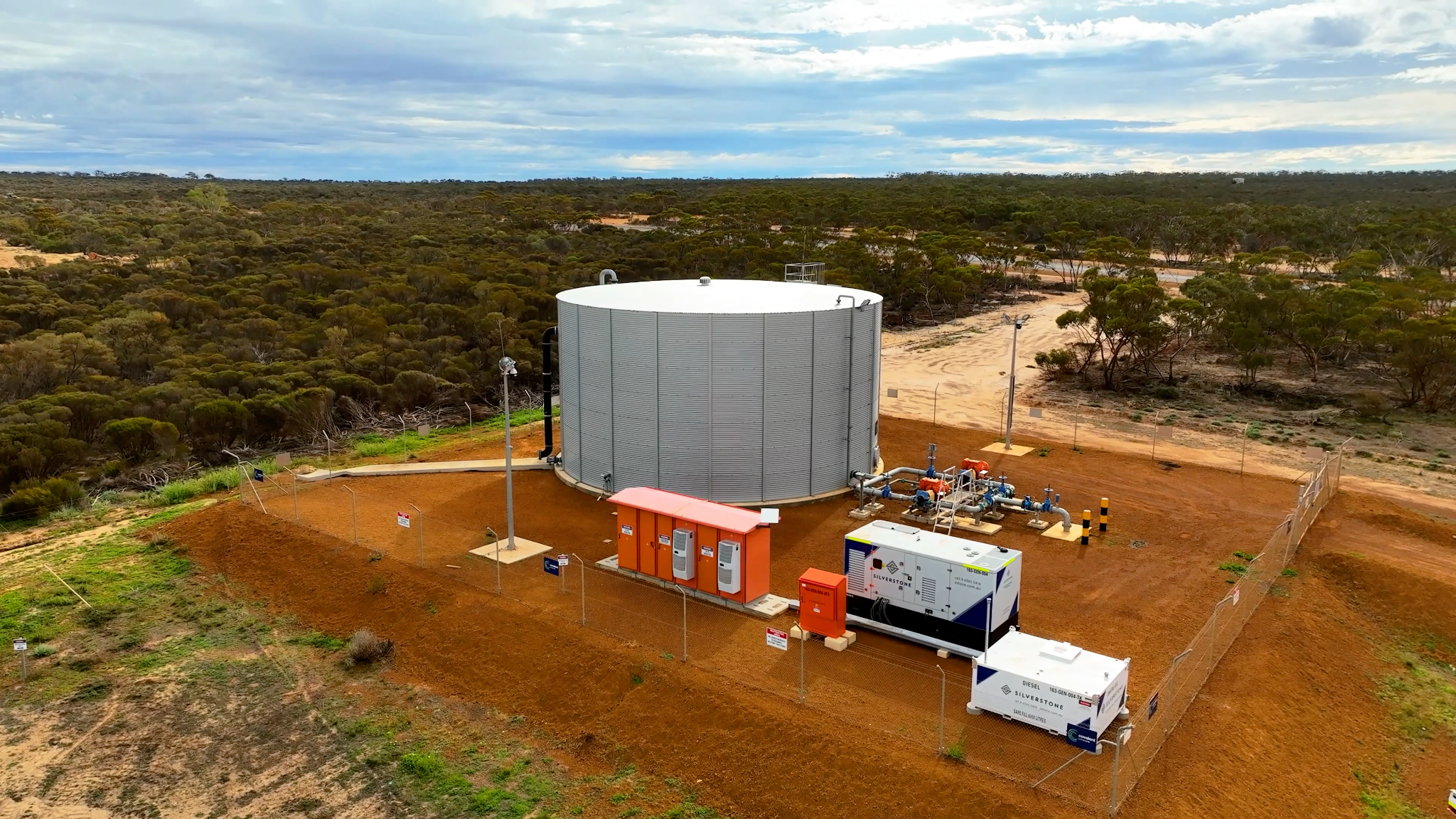
Pump stations, tanks, and associated infrastructure require engineered foundations that can handle dynamic loads and environmental exposure.
Concrete works, anchoring systems, and structural supports must be designed and constructed to maintain alignment and performance over time.
Drainage and Stormwater Systems
Drainage is a critical part of water infrastructure. Civil works manage surface water, prevent flooding, and protect infrastructure from erosion and instability. It controls runoff, protects assets, and prevents flooding, erosion, and access problems.
Well-designed stormwater systems keep sites operational and reduce environmental risks.
Why Civil Construction is the Backbone of Water Infrastructure
Civil works for water infrastructure provide the physical foundation that keeps the whole system stable, compliant, and fit for purpose. That’s why construction quality should be a higher priority than components in the early stages of any project.
Understanding why civil construction is important in water infrastructure comes down to three core outcomes:
- Structural stability: Civil works such as pipeline bedding and structural foundations provide the physical support that keeps infrastructure in place.
- Longevity and reliability: Proper compaction, drainage, and installation practices reduce failure rates and extend asset life, helping with long-term maintenance costs.
- Safety and environmental protection: Well-executed civil works protect personnel and the surrounding environment from flooding and contamination, supporting compliance and sustainability outcomes.
Common Challenges in Water Infrastructure Civil Construction
Harsh, Remote Environments
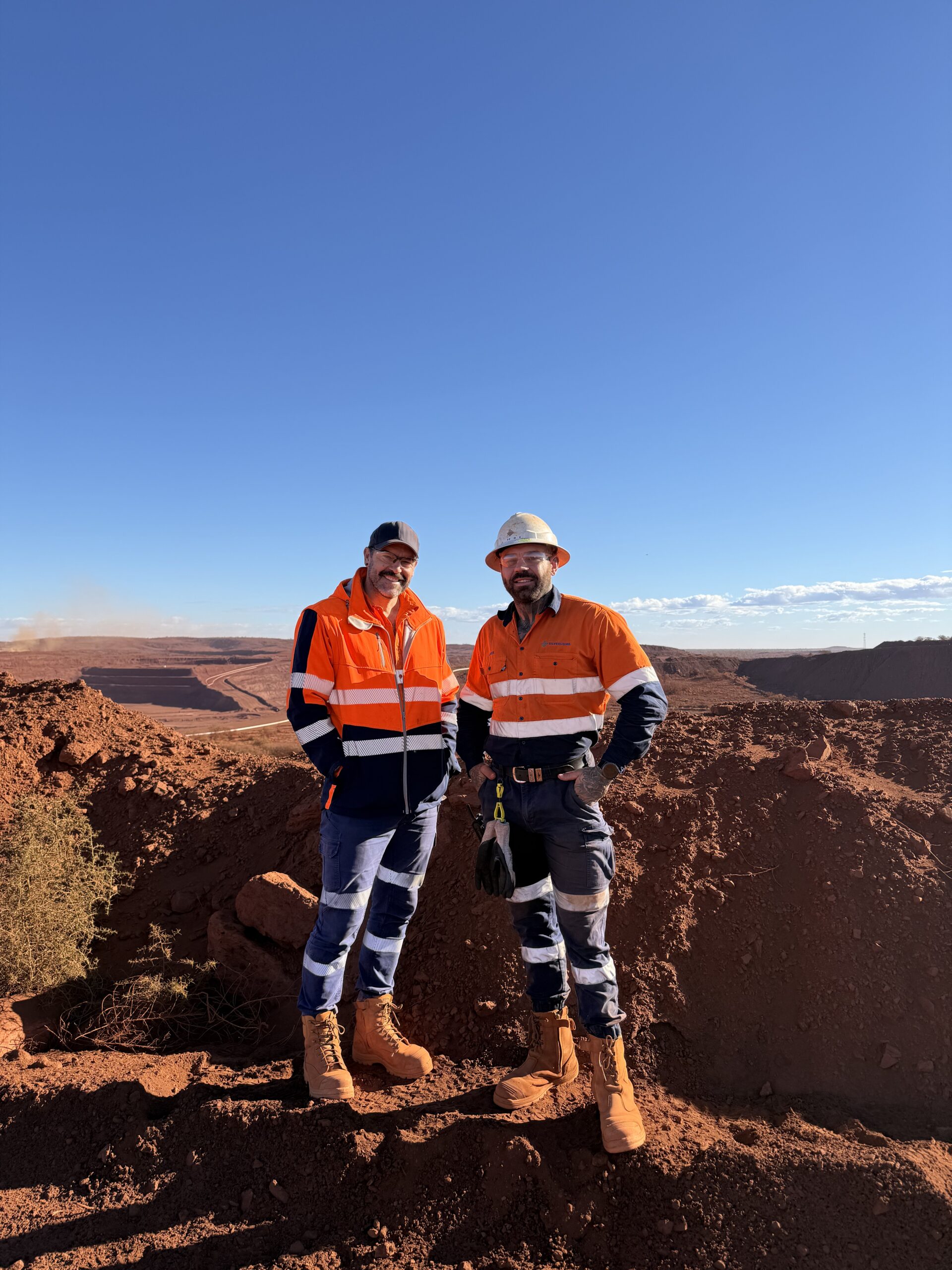
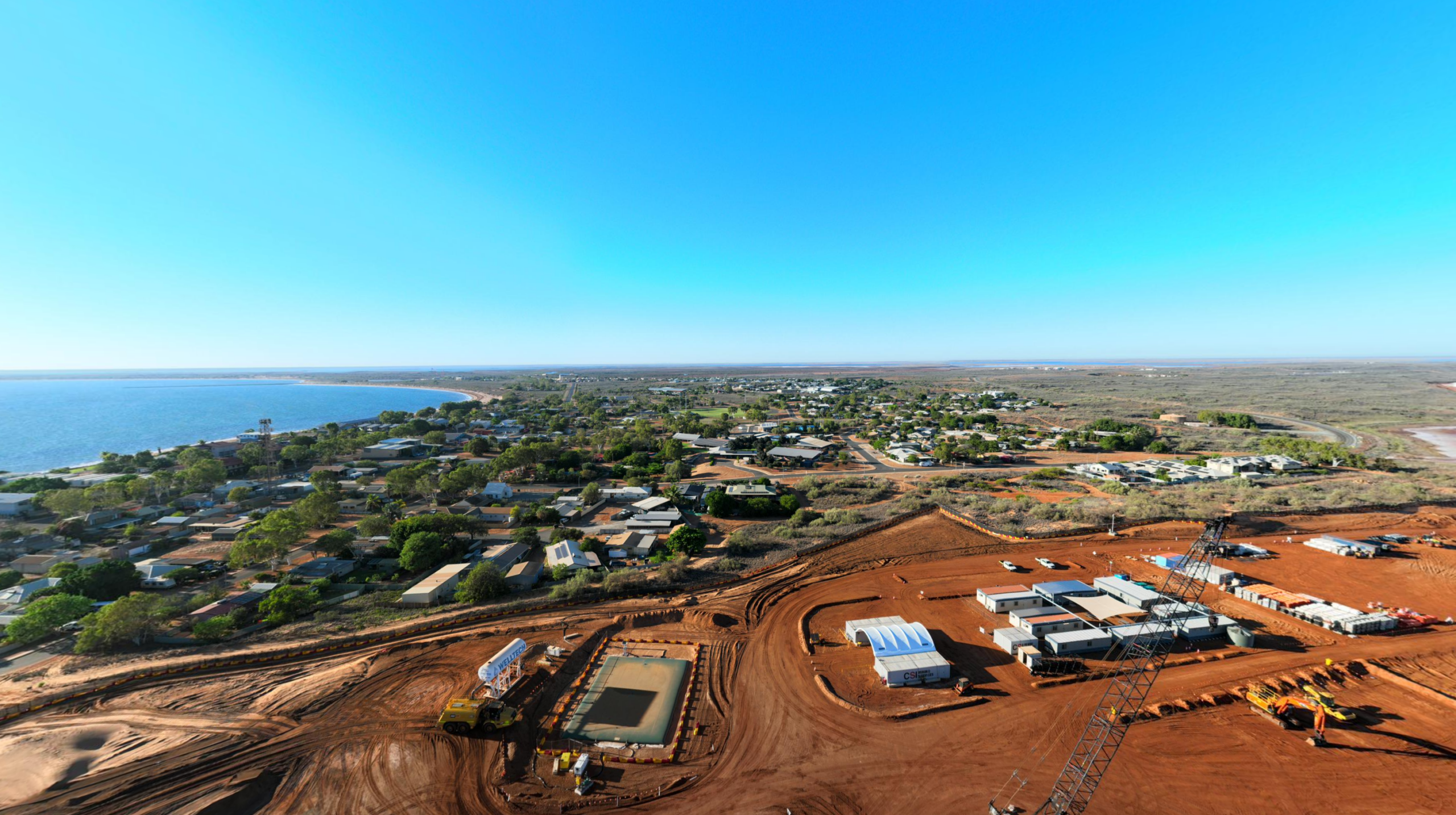
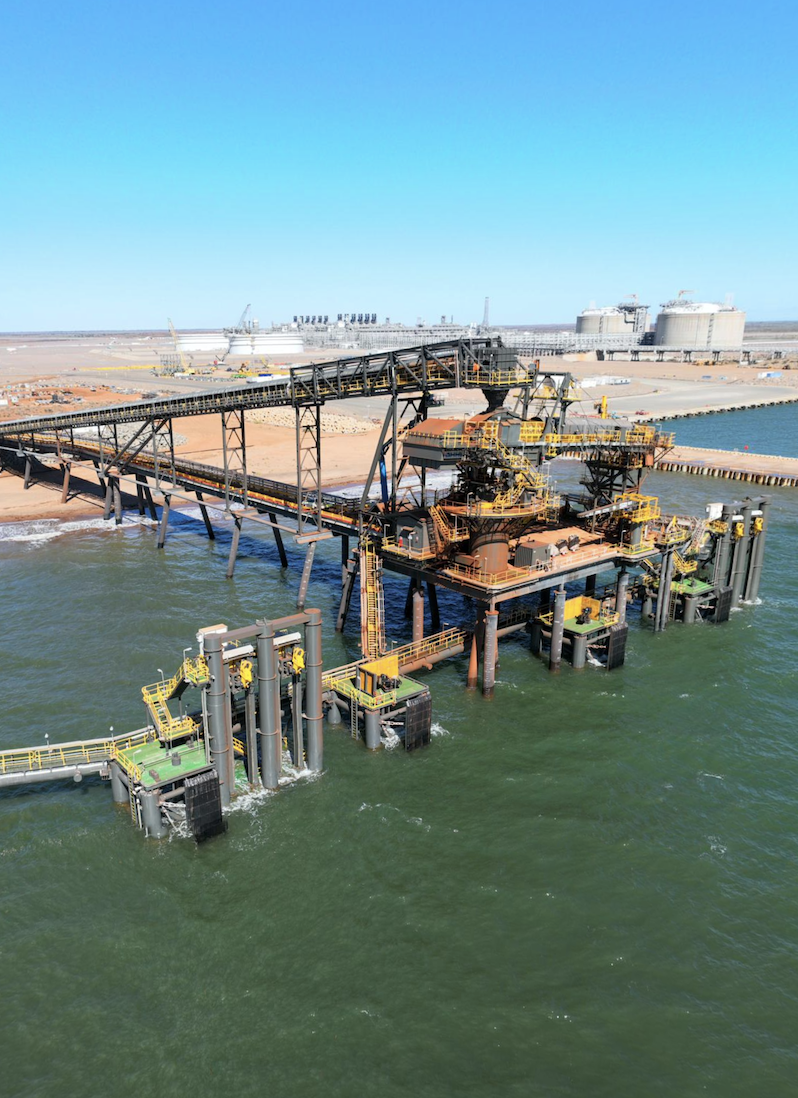
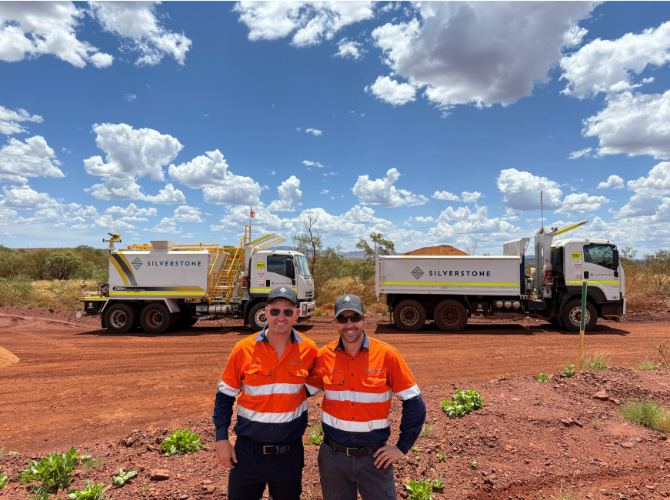
Our portfolio of civil works for water infrastructure is full of red Pilbara dirt and remote landscapes. Projects in these remote environments contend with harsh heat, dust, isolation, and limited access to materials and labour. Not to mention limited water supply, which calls for sustainable water solutions.
Complex Terrain and Geology
Ground conditions vary from site to site. Local knowledge improves groundwater management, enabling us to work around soil behaviour, rock, groundwater, and slope when completing civil works for water infrastructure.
Logistics and Site Access
Getting plant, materials, and crews to remote sites is one of the biggest and costliest water infrastructure challenges. Efficient sequencing and coordination are essential to prevent expensive delays.
Coordination Across Multiple Disciplines
Water infrastructure projects rely on civil, mechanical, and electrical works being aligned. If one scope falls out of step, the whole program slips.
Best Practices for Successful Water Infrastructure Construction
Given all these challenges, it’s no surprise that getting civil works for water infrastructure right comes down to discipline and consistency.
That starts with understanding the site. Not just on the surface, but what’s underneath. Detailed site surveys and geotechnical analysis should inform how you approach earthworks, trenching, drainage, and foundations, reducing risk from the outset.
All that data should inform an integrated engineering and construction team. Alignment here ensures that plans are practical and reflect real site conditions. It means construction crews are fully informed, and there’s no guesswork on site.
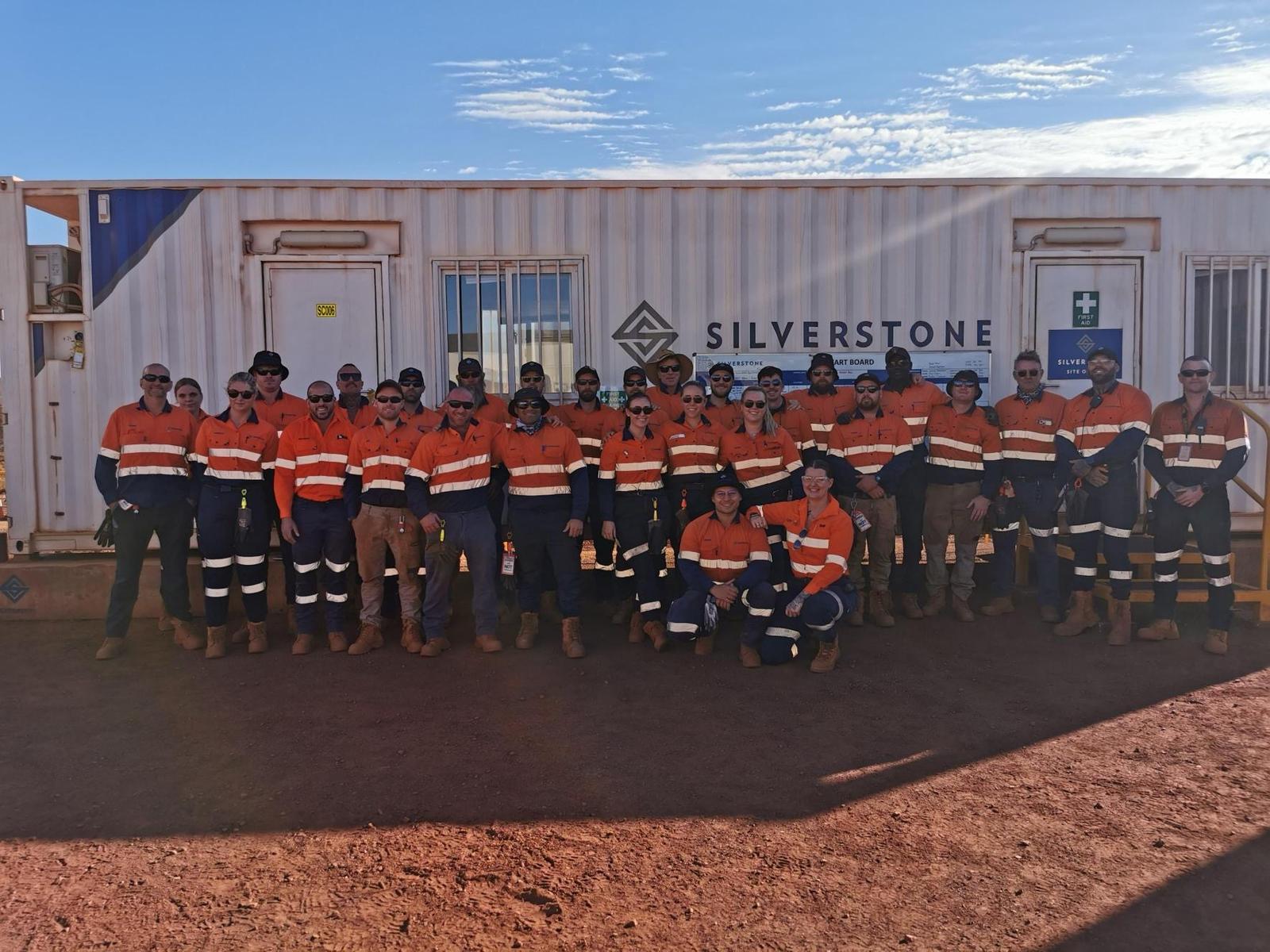
When it comes to delivery, the right people make all the difference. That means skilled teams and on-the-ball project managers working together in lock step. With experienced civil construction crews, rigorous quality control processes, and verification at each milestone, you can be sure the project is progressing as planned.
The Benefits of Integrated Infrastructure Delivery
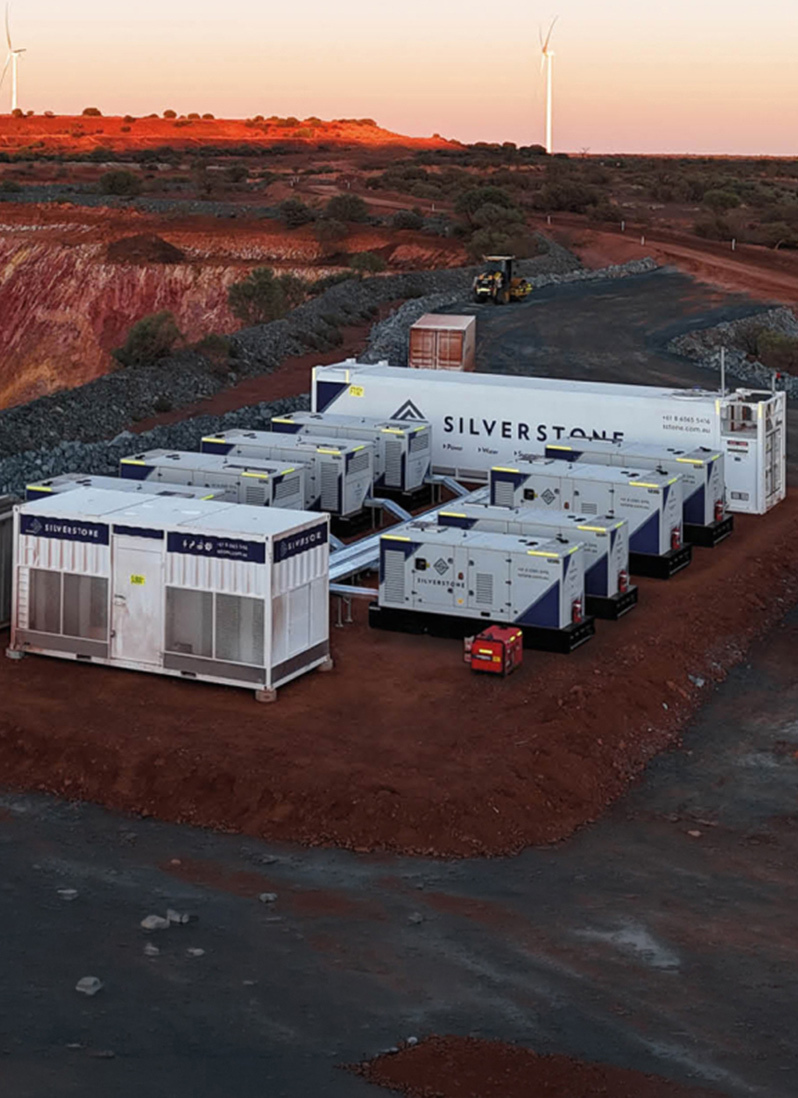
In our experience, an integrated delivery model is the most effective way to remove complexity and reduce risk in water infrastructure projects. Our recent project delivering major water infrastructure for a Pilbara mining company shows how this looks in practice.
When one team takes ownership of design, engineering, construction, and commissioning, there are benefits at every stage:
- Streamlined planning and approval
- Buildable designs with minimal rework
- Faster issue identification
- Improved cost efficiency for the client
- Easier decision-making
- Greater accountability
- Single point of contact
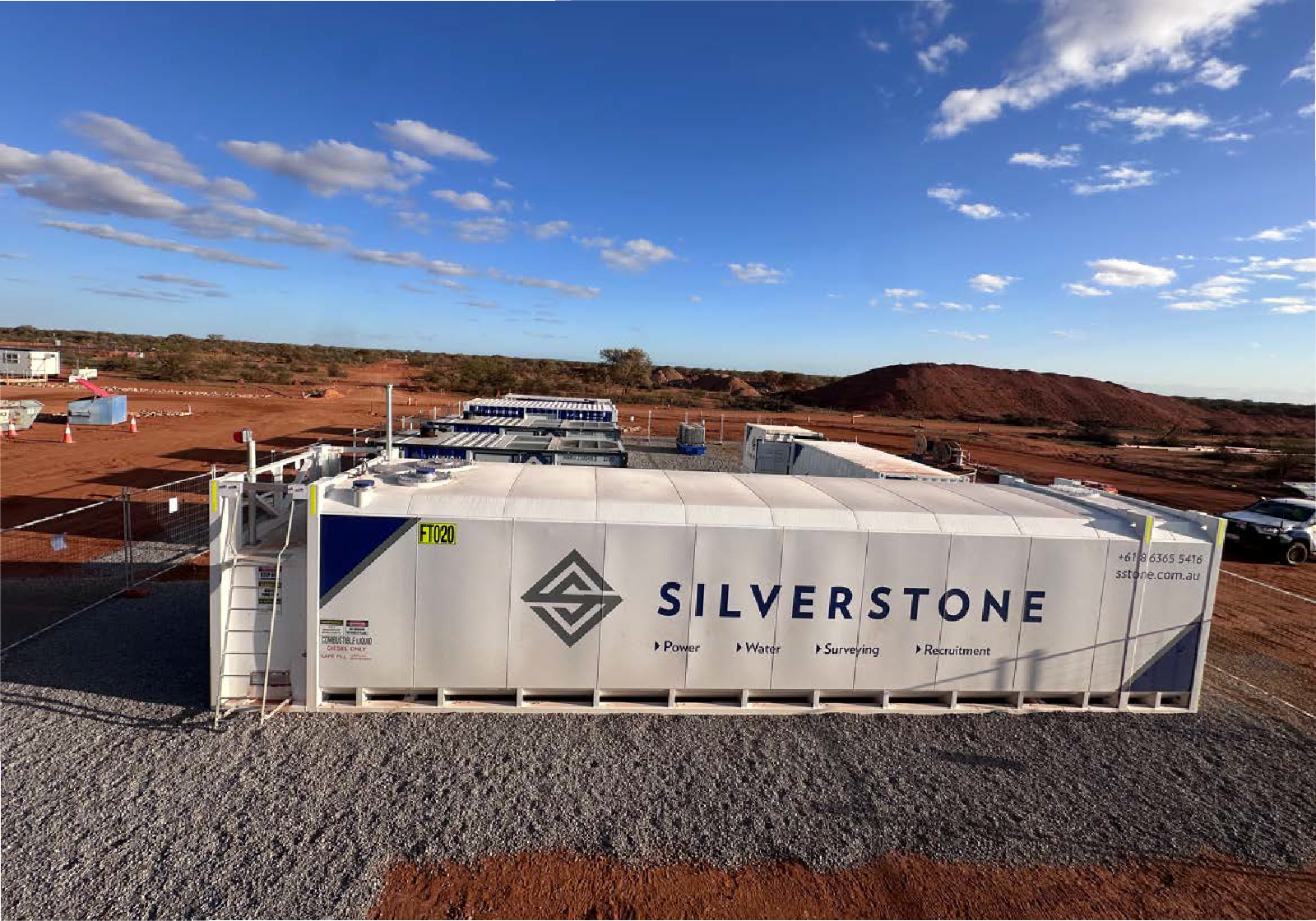
This is how we operate at Silverstone. Our expertise in civil works for water infrastructure enables us to provide end-to-end solutions for mining and heavy industry.
How Silverstone Delivers Reliable Water Infrastructure
Water infrastructure only performs as well as the civil construction supporting it. Pipelines, pump stations, tanks, and drainage systems all depend on stable ground, correct installation, and disciplined construction.
That’s why civil construction is important in water infrastructure. And it’s why partnering with an experienced, multi-disciplinary service provider like Silverstone is a smart move.
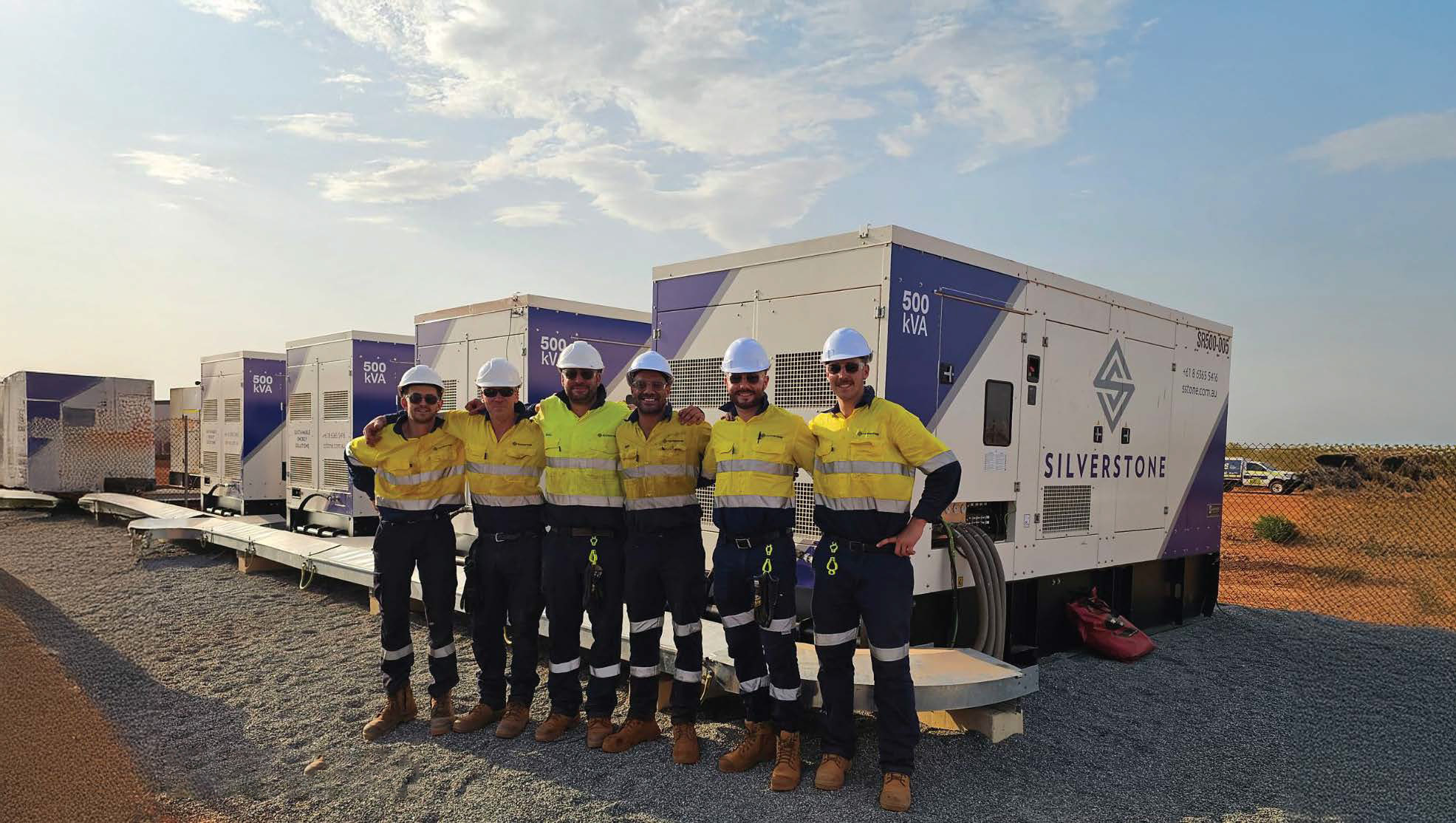
Our in-house capabilities spanning design and engineering, civil construction, groundwater management, dewatering, and electrical systems are backed by nearly 1,000,000 hours worked across mining, infrastructure, and industrial operations throughout Western Australia.
Our teams understand the realities of remote delivery.
Our robust systems are designed to withstand operational pressure.
And our commitment to excellence means infrastructure that is built to last.
Speak to Silverstone about civil works for water infrastructure, and gain a multi-disciplinary partner with a proven track record in complex large-scale projects.