






Fuel has become a frontline risk for WA mining operations. Diesel prices rose sharply on the back of escalating conflicts in the Middle East at the end of February 2026, putting pressure on an industry that relies heavily on diesel for power and vehicles.
In response, we’re seeing an accelerated shift toward battery energy storage systems (BESS) and hybrid power stations.
The current shock may ease at some point. But it has already exposed the need to reduce reliance on fragile supply chains and highlighted the viability of renewables.
Why WA Miners Are Feeling the Fuel Shock
Western Australia’s mining industry has long depended on diesel to run many critical operations. That fuel is imported, often through constrained shipping routes like the Strait of Hormuz. When volatility hits, it hits hard.
This is no longer theoretical.
We’re seeing that flow directly into higher production costs, project feasibility concerns, and tighter workforce planning.
The Real Cost of Diesel in WA Mining
Before the Iran war, diesel accounted for up to 15% of operating costs in mining. The exposure is highest where you’d expect:
- Remote operations dependent on trucked fuel
- Open-cut mines with high haulage demand
- Generator-reliant infrastructure with no grid connection
That 15% figure is climbing. More importantly, it’s becoming unpredictable. Operators shifting to hybrid power supply aren’t making knee-jerk reactions to a tough month. They are drawing a line in the sand now that renewable solutions like solar and BESS are proven alternatives.
Secondary Costs of Diesel in WA Mining
Fuel has to be transported, stored, managed, and maintained. Tanks require monitoring. Generators require servicing. Any disruption, whether it’s logistics, mechanical, or environmental, creates risk.
Diesel works. It’s proven. But it’s increasingly expensive to rely on it alone.
Will Diesel Prices in WA Ease Soon?
Historically, fuel pricing follows a “rockets and feathers” pattern. It rises quickly and falls slowly. Even if global conditions stabilise, don’t expect prices to slide as fast as they rose.
More importantly, there are lingering structural risks:
- Continued reliance on imported fuel remains a supply chain risk
- Increasing demand across global markets as countries restock reserves
- Geopolitical instability could see a repeat of the fuel price shock
This isn’t the first price spike the industry has seen. But it is the first where there is a viable, scalable solution to reduce reliance on diesel.
Why the Conversation Has Shifted Towards Renewables and Battery Energy Storage Systems in Perth
Solar and battery solutions in mining have long been driven by ESG targets. They were often seen as future-facing, but not always commercially essential.
That’s changed. Cost control and operational continuity are now key considerations in conversations about hybrid power stations in WA mining.
Solar Power Goes Mainstream
While diesel prices are climbing, the cost of solar generation has nearly halved over the past decade.
Australia’s solar capacity is also rapidly expanding, reaching 45GW in late 2025. At the same time, large-scale industry-led battery projects are already operational or under development across WA, including in Kwinana, Collie, and the Pilbara.
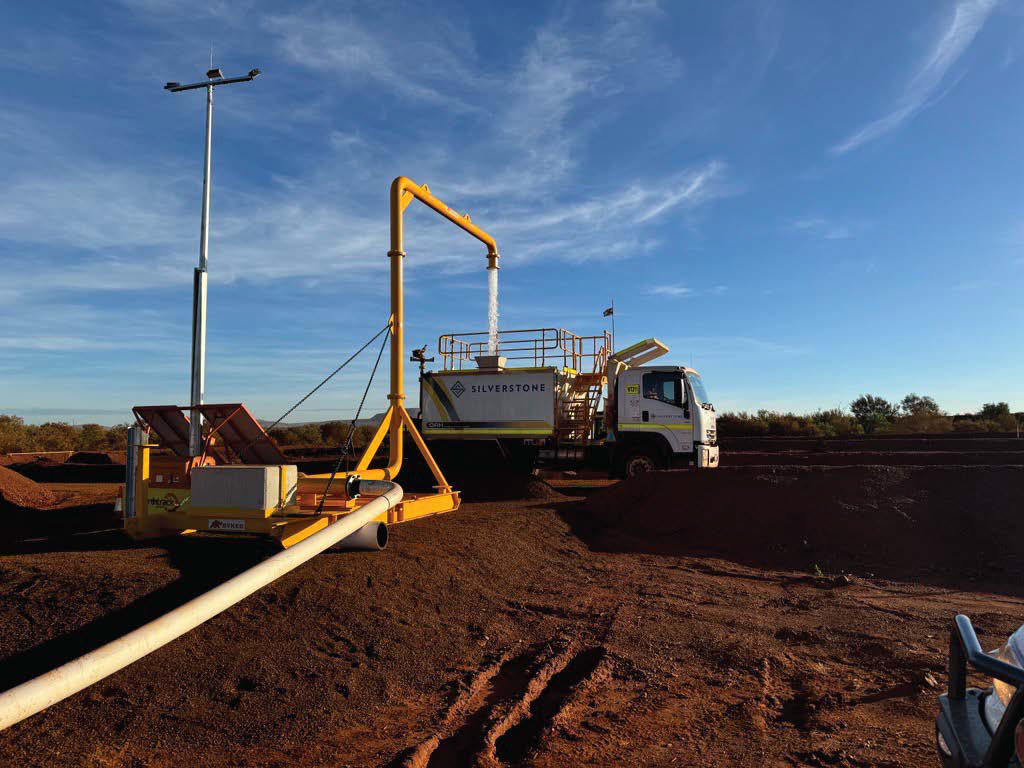
In mining, Silverstone is delivering trailblazing projects like a 5MW solar panel system for a Goldfields miner. That project featured a 5B Maverick ground-mounted array, which deploys up to 10x faster than conventional solar technology.
Battery Energy Storage Systems Powering Perth
Battery energy storage systems capture excess energy to redeploy later. For example, they might store solar energy to power critical functions after sunset.
As these systems improve in both performance and deployment speed, they’ve reached a point where they can materially offset diesel consumption.
That changes the equation. BESS is now a commercially viable tool for risk reduction, sustainability initiatives, and innovation.
Where Hybrid Power and BESS Make Commercial Sense
A full transition from diesel to renewables may not be the most practical solution. Many sites are deploying hybrid solutions comprised of solar panels, diesel, and BESS.
The strongest use cases are:
-
- High diesel cost sites where reducing diesel consumption reduces both cost and risk.
- Stable load profiles such as camps, processing plants, and fixed infrastructure with predictable demand.
- Long-life projects where capital recovery and long-term cost efficiency make a strong case.
- ESG and cost alignment, reducing emissions and costs at the same time.
In these scenarios, a hybrid power station provides stability and cost control.
Transitioning WA Mining Operations to Hybrid Power Stations
From our experience, hybrid systems don’t eliminate diesel. They optimise it. Diesel still plays a role in backup power, peak load support, and operational redundancy.
Battery systems take on a different role:
- Storing renewable energy
- Mobile power stations
- Peak load shaving
- Reducing emissions
The bottom line is that solar reduces baseline fuel consumption, making the entire system more efficient, more stable, and less exposed to fuel volatility.
However, renewables are not yet a one-size-fits-all solution for powering WA mining operations.
Practical Considerations Before You Invest
The value of a hybrid power station comes from thinking long-term and getting the design right the first time. This balance of short-term investment towards long-term operational stability requires vision and innovation.
It also requires good data:
- Load profile analysis to understand demand patterns
- Site footprint and solar viability
- Integration with existing diesel infrastructure
- CapEx and OpEx modelling
- Maintenance and operational strategy
Planning is where projects succeed or fail. Poor integration creates complexity. Well-engineered systems reduce it.
Silverstone: Powering WA Mining’s Transition to BESS and Hybrid Power Stations
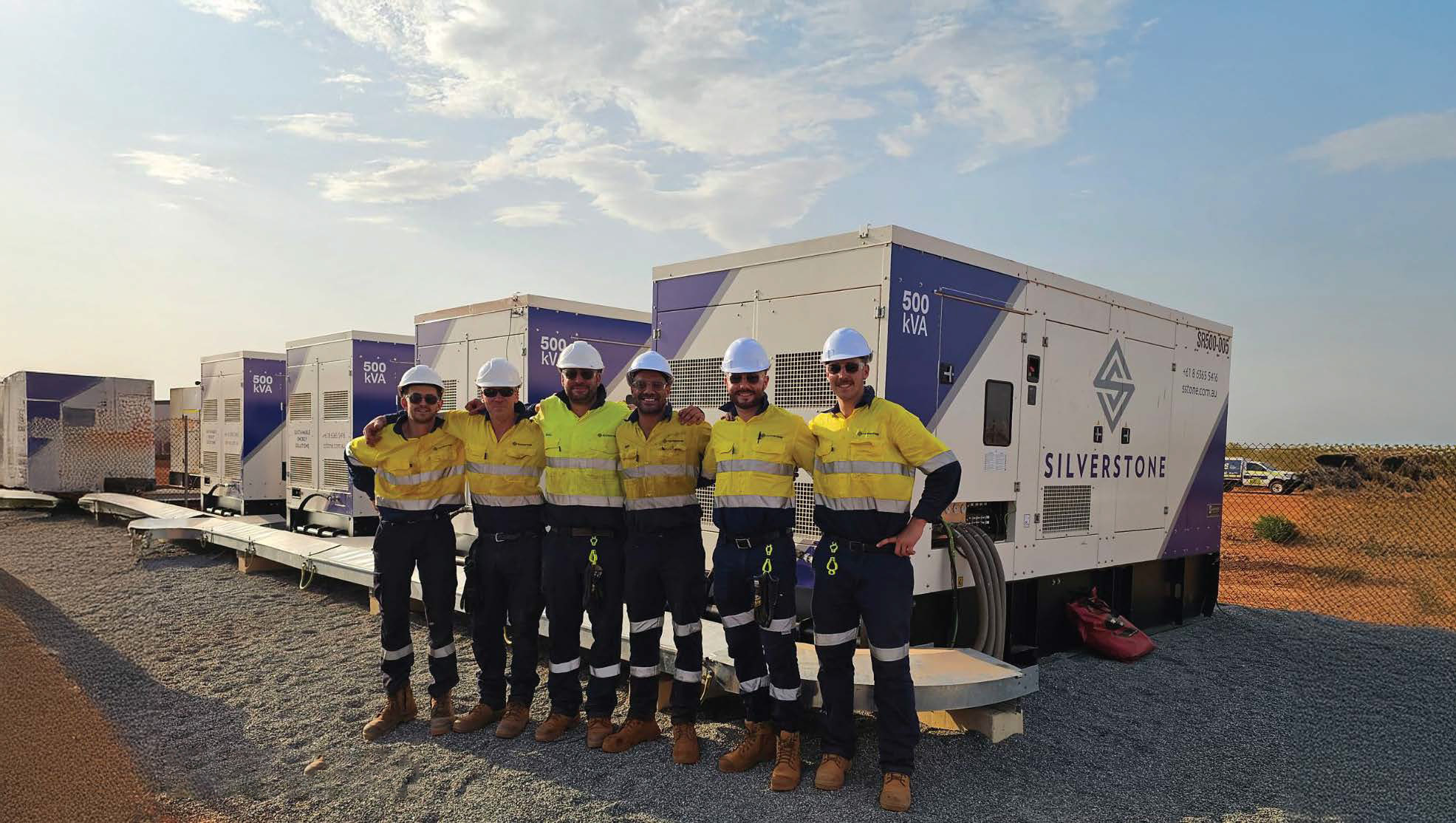
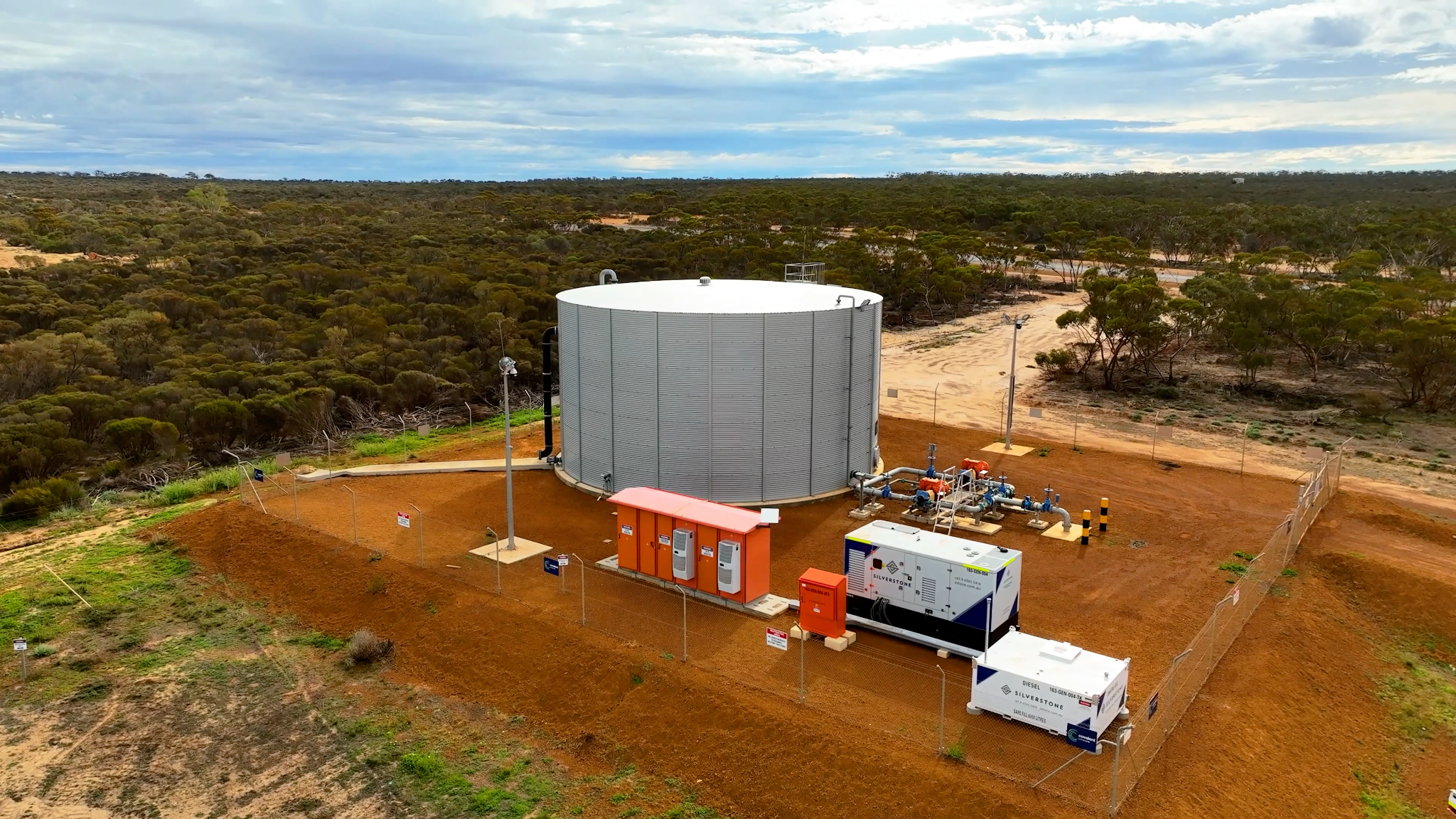
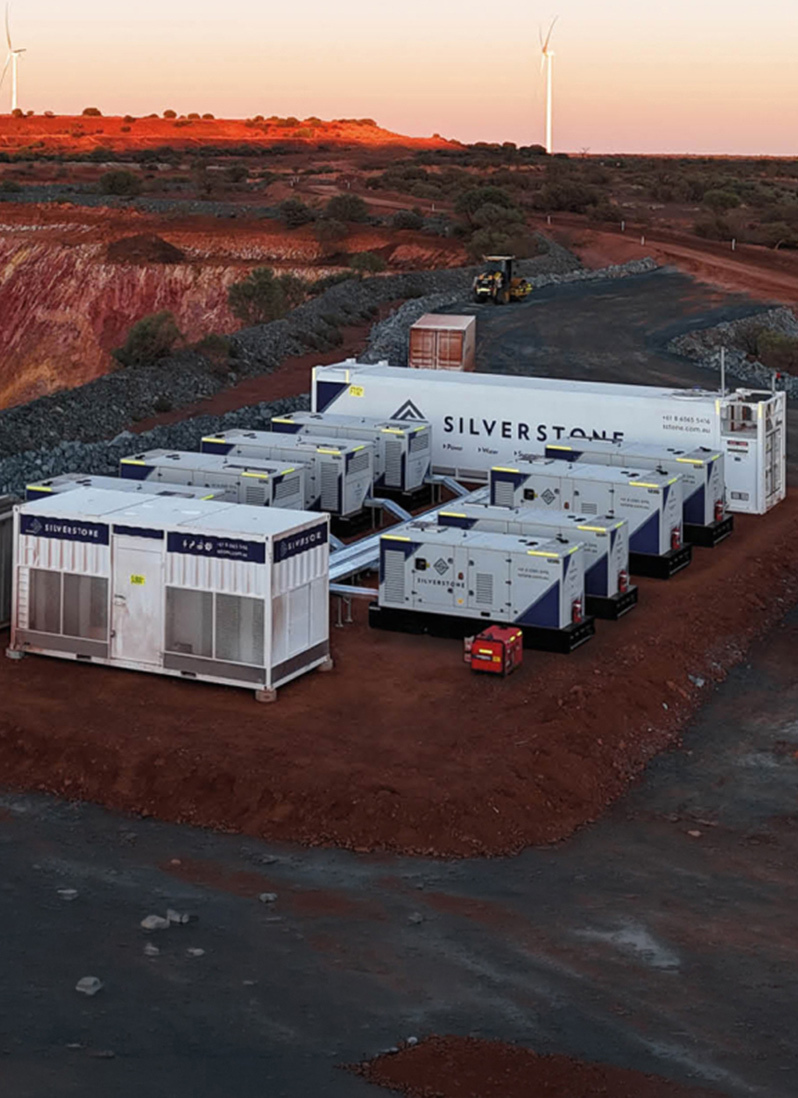
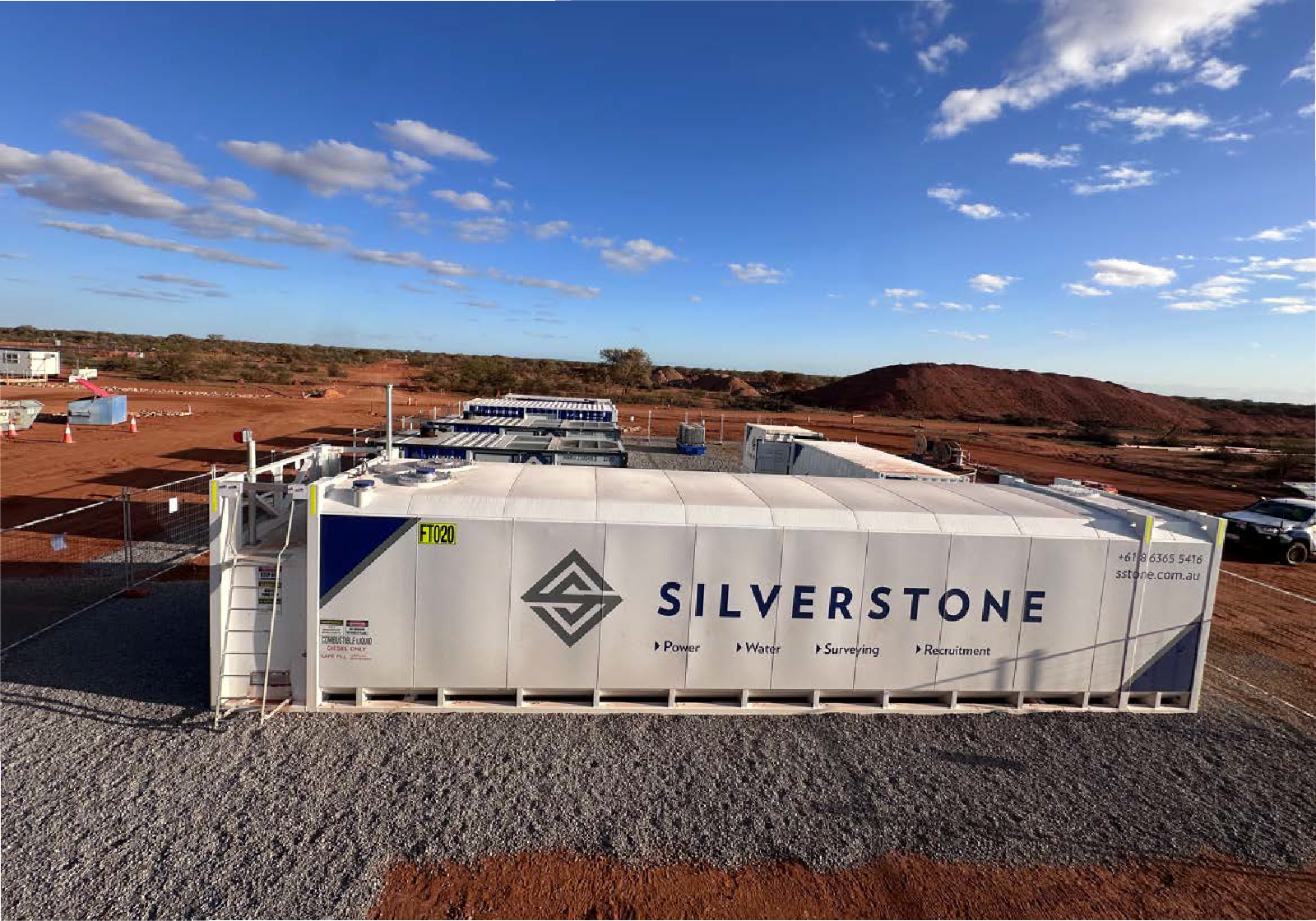
Silverstone delivers integrated, turnkey power solutions for the mining industry. We design, supply, install, commission, and maintain power infrastructure, including diesel, hybrid power stations, BESS energy storage systems, and renewable transition.
We also offer rental power solutions engineered for remote mining environments.
Next Steps: How to Manage Rising Fuel Costs in Mining Operations
If diesel costs are draining your budget and spiking your stress, it might be time to start a conversation about transitioning towards renewables. We can help.
Our feasibility-first approach ensures any recommendation is based on real site conditions and load profiles, with a focus on operational reliability.
With in-house engineering, field delivery teams, and integrated controls, we provide a single point of accountability from concept through to optimisation.
Contact Silverstone’s mining power experts to learn more about our experience with BESS energy storage systems in Perth and hybrid power stations in the Pilbara.
[Contact]