








Estimating Mine Site Water Demand for Processing, Dust Suppression and Camps
Mine site water demand is not one number.
Two mines with similar production rates can have very different water requirements because processing, dust suppression and camp accommodation each draw water differently. There are also seasonal peaks, pipeline losses, licensing constraints and contingencies to factor in.
A defensible estimate needs to account for all the moving parts.
Why Water Demand Is Different for Every WA Mine Site
Mine site water demand can look fairly straightforward on a feasibility spreadsheet. Then reality kicks in.
Haul roads dry out, the workforce swells, throughput rates fluctuate. Suddenly, the pumps and pipelines sized for an annual average figure are supplying a very different site.
Ore Type and Processing Method
The processing route usually sets the site’s baseline water demand. However, two sites processing the same commodity can have different water demand depending on how the ore is treated.
A dry crush and screen operation of the kind common across Pilbara iron ore draws a fraction of what a wet circuit needs. Lower grade material with beneficiation or flotation in the flowsheet can significantly impact the figure. Modern mining operations can also reduce net demand by recovering water, called “dewatering”.
In other words, the process design is a more useful starting point than industry-wide averages.
Haul Road Network
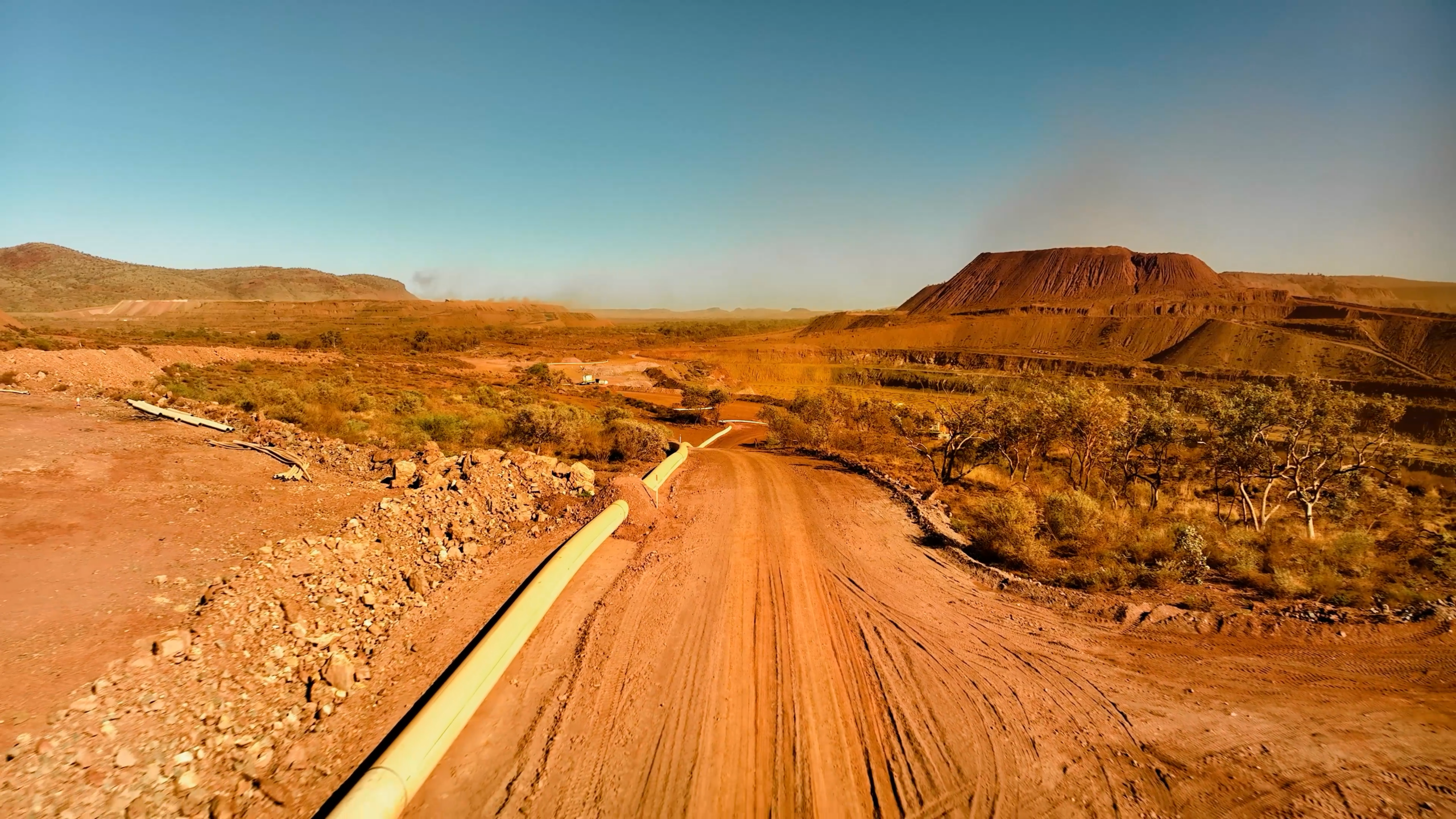
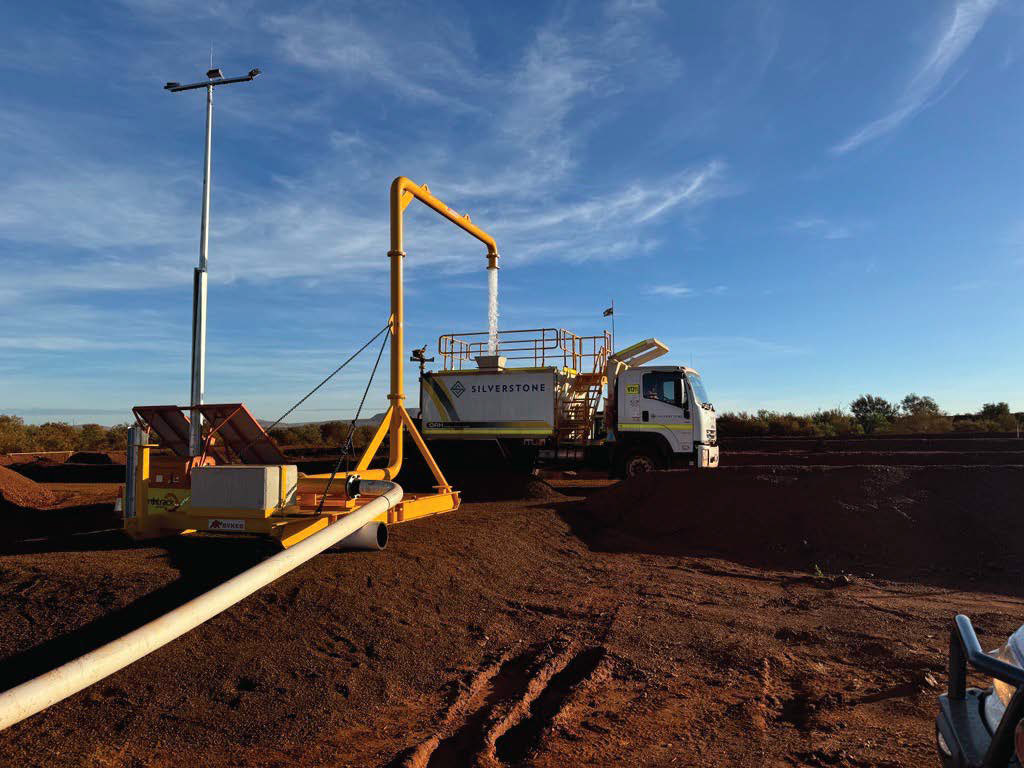
Dust suppression is more variable. Water demand tracks road surface area and watering frequency, not tonnes moved. Wider roads and higher traffic require more frequent watering.
Two sites with identical throughput can differ by hundreds of kilolitres a day if one has 12km of haul road and the other has 40km.
To estimate dust suppression water demand, calculate the wetted area by multiplying road width by length. A 30-metre-wide haul road means 30,000 square metres per kilometre.
At an application rate of approximately one litre per square metre, one pass over that kilometre uses about 30 kilolitres. Multiply by passes per day and network length, remembering that traffic volume, surface material, wind and shift frequency all change the pass rate.
Workforce Size and Project Phase
Camp demand follows headcount rather than nameplate mine production. A site may have a moderate operating team but a substantially larger construction workforce during ramp-up. Temporary contractors also create short-term peaks.
Water infrastructure needs to account for these fluctuations.
International guidance for worker accommodation puts potable supply at 80 to 180 litres per person per day, depending on climate and facilities. Western Australian mining camps usually sit at the upper end (or above it), factoring in kitchen and laundry on top of ablutions.
While 80 to 180 litres per person is a helpful reference point, we always calculate using metered data from comparable sites rather than assuming a standard rate.
Seasonal Variation
In the Pilbara, extended hot and dry conditions increase evaporation and road watering requirements. Rainfall can temporarily reduce dust suppression demand but may increase dewatering requirements.
A yearly average can hide the peaks and valleys. Sizing water supply for the dry season peak usually means the wet season looks after itself.
How to Estimate Total Mine Site Water Demand
Calculating water requirements is more complex than it seems on the surface. And we haven’t even talked about water infrastructure needing to support long-term operations and adapt to changing site demands.
Still, it is possible to make a practical early-stage calculation based on four key factors.
1. Net Processing Demand
Start with planned throughput. Confirm tonnes processed per day, water use per tonne and the proportion recovered for reuse.
A plant can be designed to recirculate water, reducing how much is drawn from the site supply. This “net make-up” figure, not gross process circulation, is what to size water infrastructure around.
2. Dust Suppression Demand
Calculate dust suppression as we outlined above, using active road area and watering frequency. It’s also important to consider traffic, surface condition and the number of water carts operating simultaneously. And the weather – annual averages can hide demand peaks, so test against dry season demand.
3. Camp Demand
Calculate camp demand from peak occupied beds multiplied by the nominated per-person allowance, plus kitchens, laundries, ablutions and cleaning.
Mine site water demand may differ for construction and commissioning. A larger workforce may create higher peaks than the eventual steady-state conditions.
4. Losses, Storage and Contingency
Evaporation, leakage, seepage and pipeline losses can compound across a year. Other losses need to be accounted for as well:
- Workshop washdown
- Vehicle wash bays
- Unexpected changes to ramp-up schedule
- Road expansion
- Unplanned shutdowns
- Workforce changes
- Rainfall variation
Storage for unplanned power or bore outages is another important contingency.
These can either be stated figures or a contingency margin based on similar sites.
Water Type and Licences
At this point, it’s a good idea to split the resulting total by water quality. This helps to determine where water comes from and how to treat it. Potable and dust suppression water don’t need the same treatment.
Dewatering
Mines below the water table often produce more water than they use. The problem flips from supply to disposal and beneficial use.
A mine site water demand figure is only defensible once it has been checked against both your dewatering forecast and your licensed extraction volume.
What Happens If Water Demand Is Underestimated?
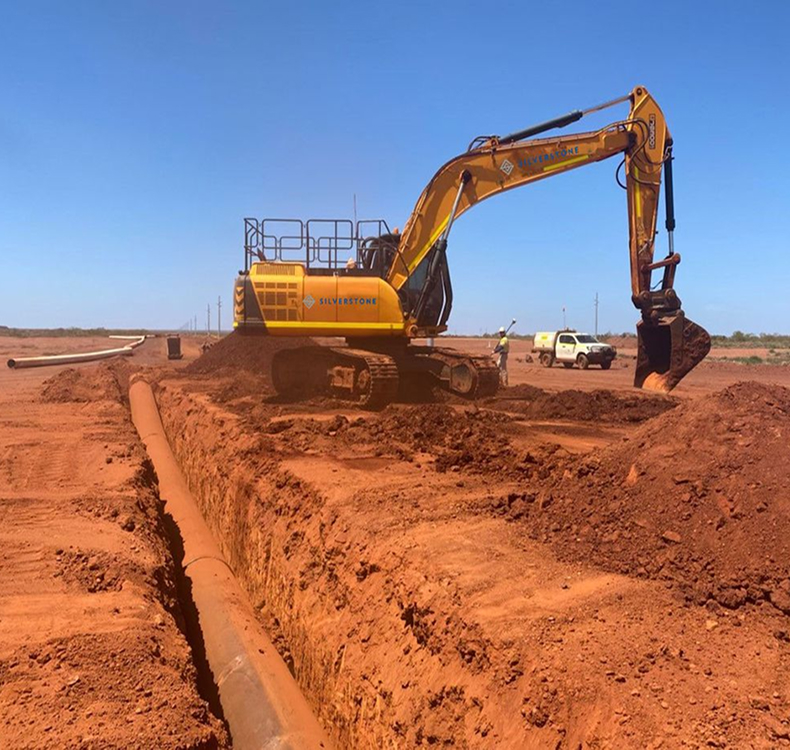
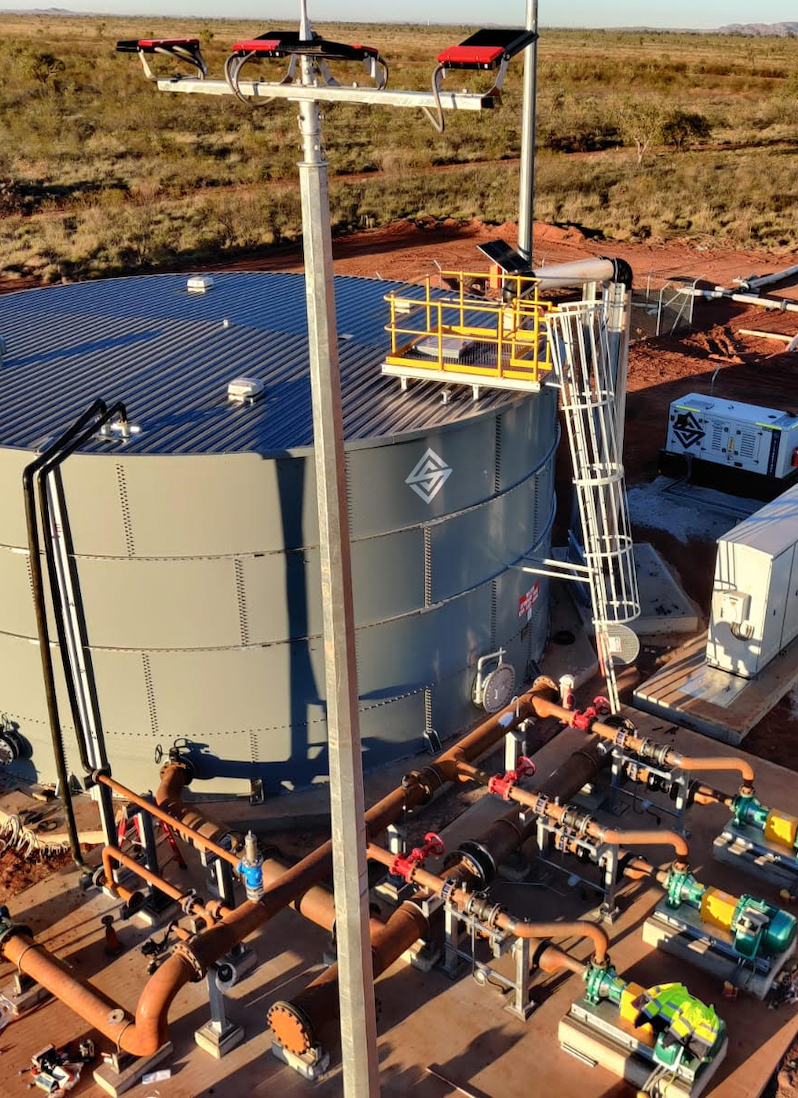
An undersized bore field restricts supply. An undersized pipeline limits transfer capacity. A pump selected for the wrong duty becomes a processing bottleneck.
The consequences can be expensive:
- Production delays
- Unplanned capital works
- Retrofitting on a live site
- Long shutdowns
- Throttled haulage
Licensing is another risk. Water requirements for mining operations in WA are licensed through the Department of Water and Environmental Regulation (DWER). A site that overruns its allocation has a compliance issue as well as an infrastructure problem.
Water Requirements in Mining: More Than a Drop in the Bucket
Australian mining consumed 749 gigalitres of water in FY2023-24, according to the latest ABS water accounts. That’s 4.4% of national consumption. Mining also self-extracted another 1,349 gigalitres from aquifers and groundwater.
These figures show how heavily the nation’s miners depend on a reliable water supply.
Yet for project engineers, the focus is more local.
Managing mine site water demand is about responsible resource usage as much as avoiding a supply shortfall or a licensing problem with DWER.
How Silverstone Approaches Mine Site Water Demand Assessments
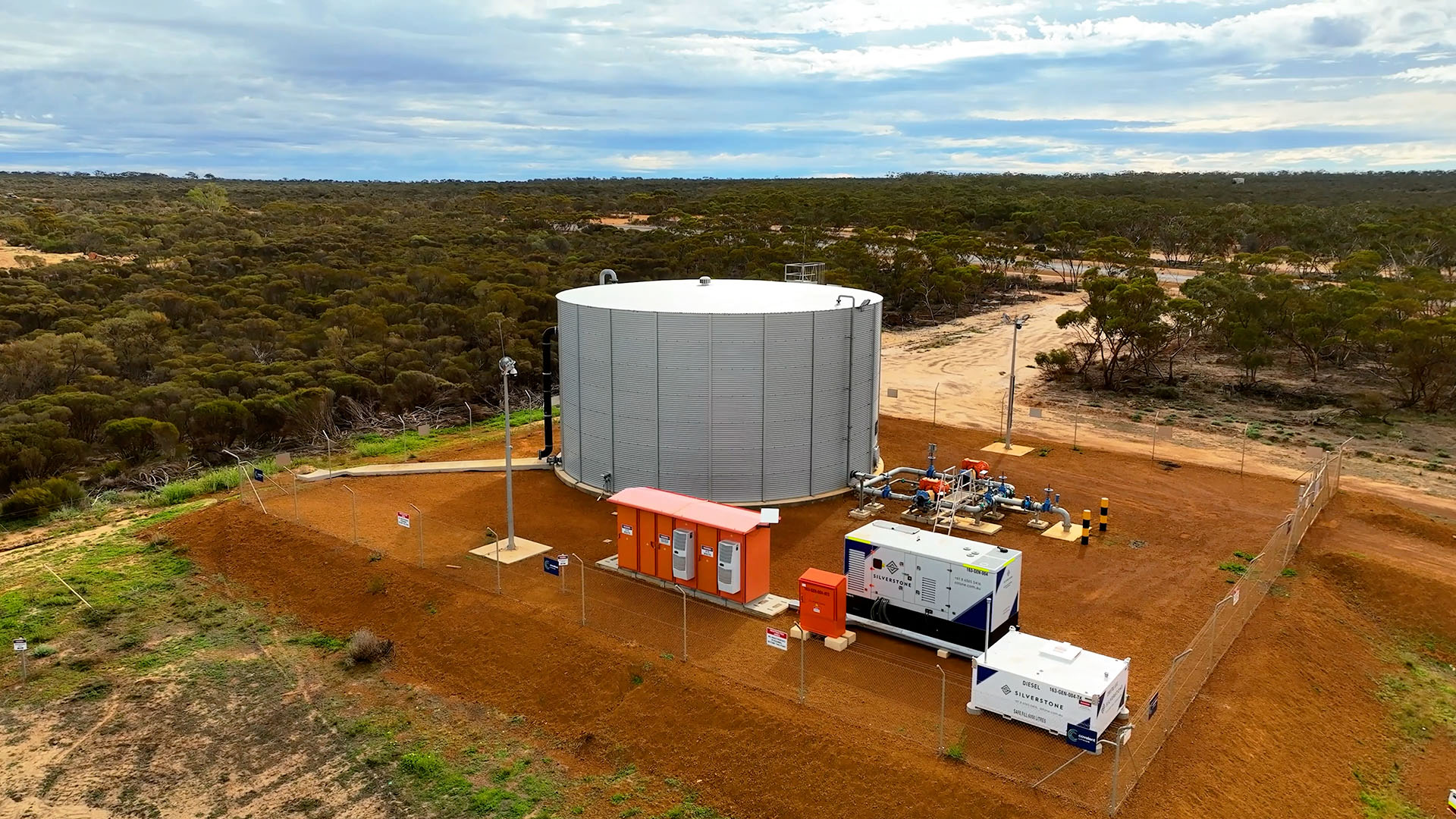
When Silverstone designs and delivers water infrastructure for Western Australian mining projects, we start with site data. Processing, operating conditions, road measurements and workforce forecasts, combined with hydrogeological data, any existing metering and dewatering.
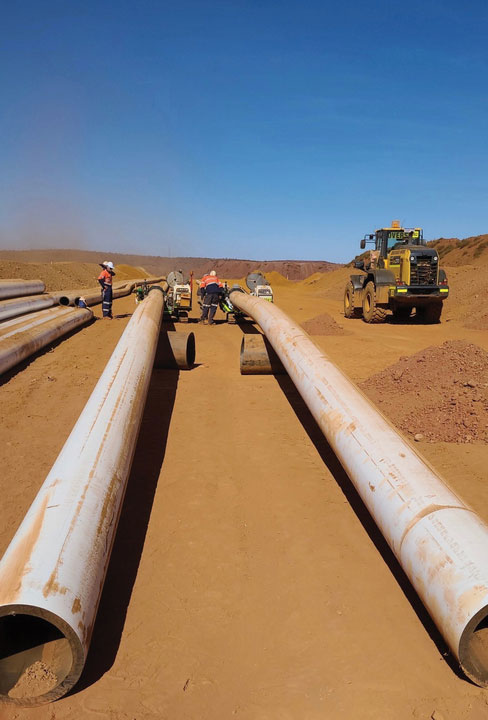
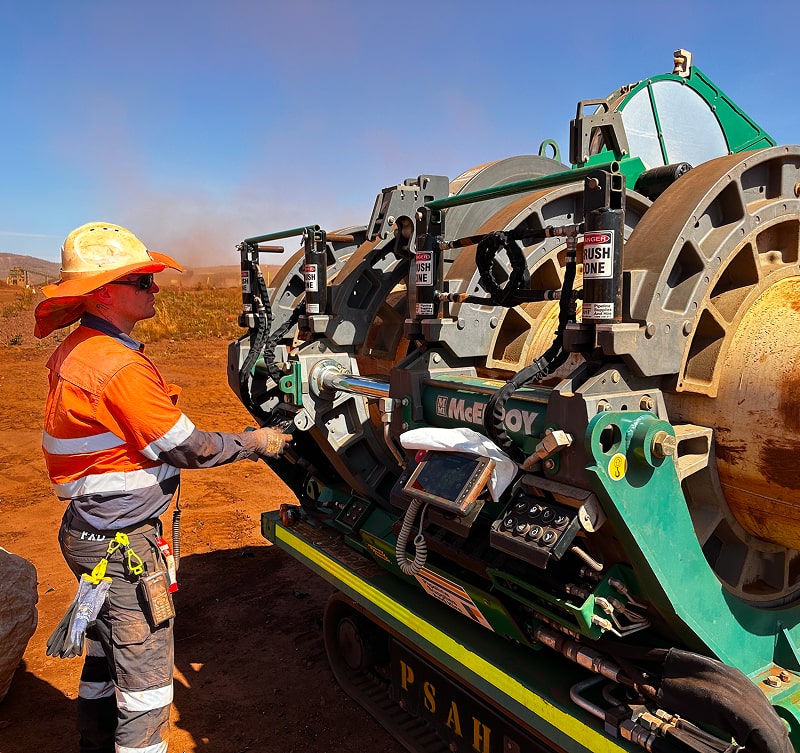
Our integrated capabilities cover water infrastructure design and engineering through to construction and commissioning, with ground water management and dewatering also delivered in-house. That means one multidisciplinary mining partner seeing the project through from feasibility to delivery. One team handles planning, procurement, logistics, site preparation, construction, commissioning and maintenance.
This integrated model is important. Mine site water demand is not one flat estimate – it’s a series of calculations that create a dynamic model. Getting that right early provides a stronger basis for infrastructure design and reduces the risk of later capacity constraints.
Speak with Silverstone about your mine site water requirements.