










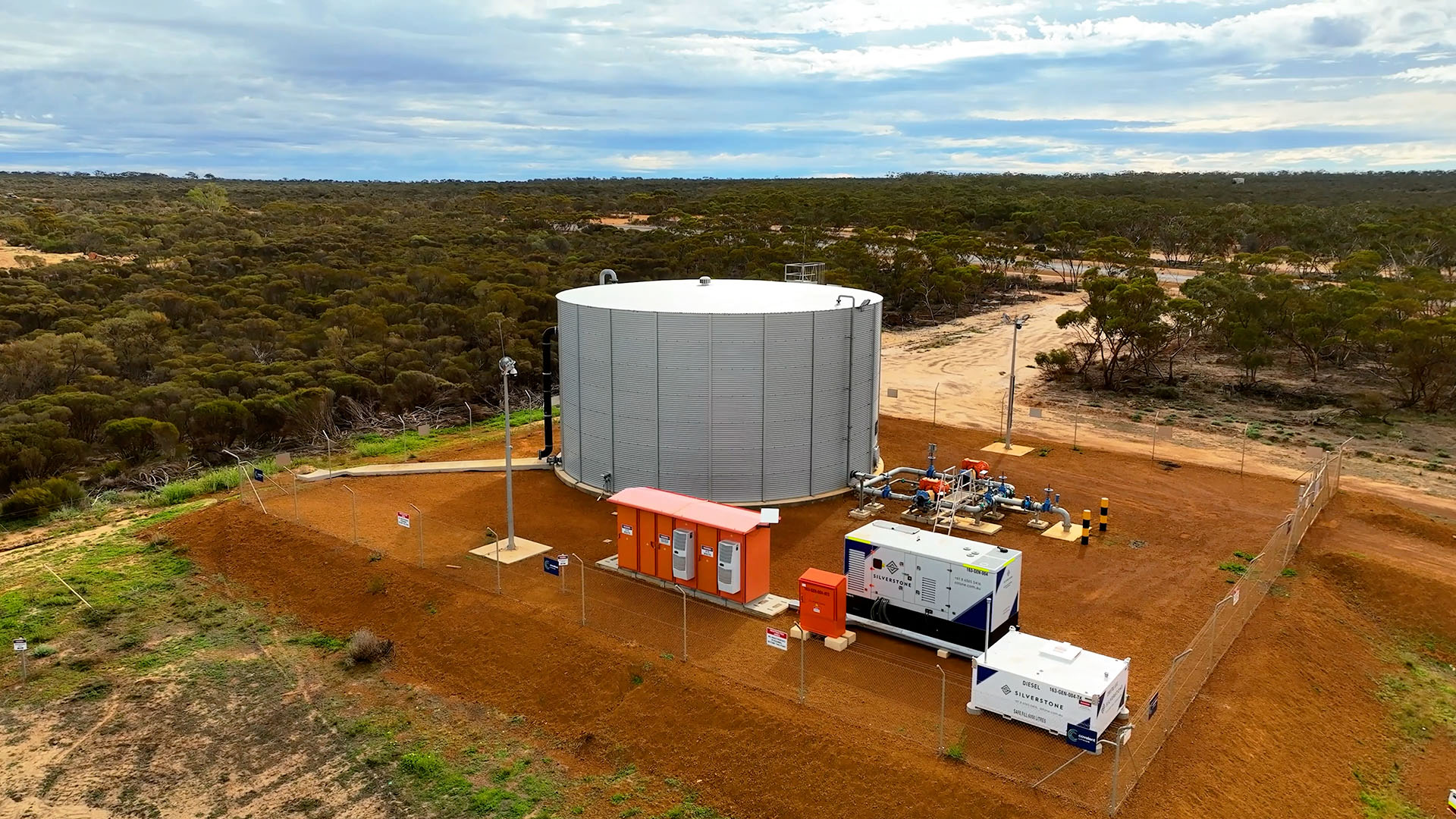
Reliable water infrastructure on a mine site needs much more than pipelines and pumps.
From stable pump station foundations to right-sized pipeline corridors and reliable power for pumps, there are many reasons why civil and electrical integration is important in water infrastructure.
Operators also need to monitor what the system is doing, which means a lot of instrumentation needs to connect and communicate via a central control system.
The problem is that these parts are often designed and constructed independently. Consequences start to appear during installation and commissioning, creating rework, budget blowouts and delays.
Having the civil and electrical disciplines working in sync from day one minimises the risk of these preventable coordination problems.
Understanding Modern Water Infrastructure Systems
Water infrastructure in mining and industrial environments is usually extensive. It needs to cover large distances and service multiple operating areas. On most sites, it includes:
- Borefields and groundwater infrastructure
- HDPE pipelines and transfer systems
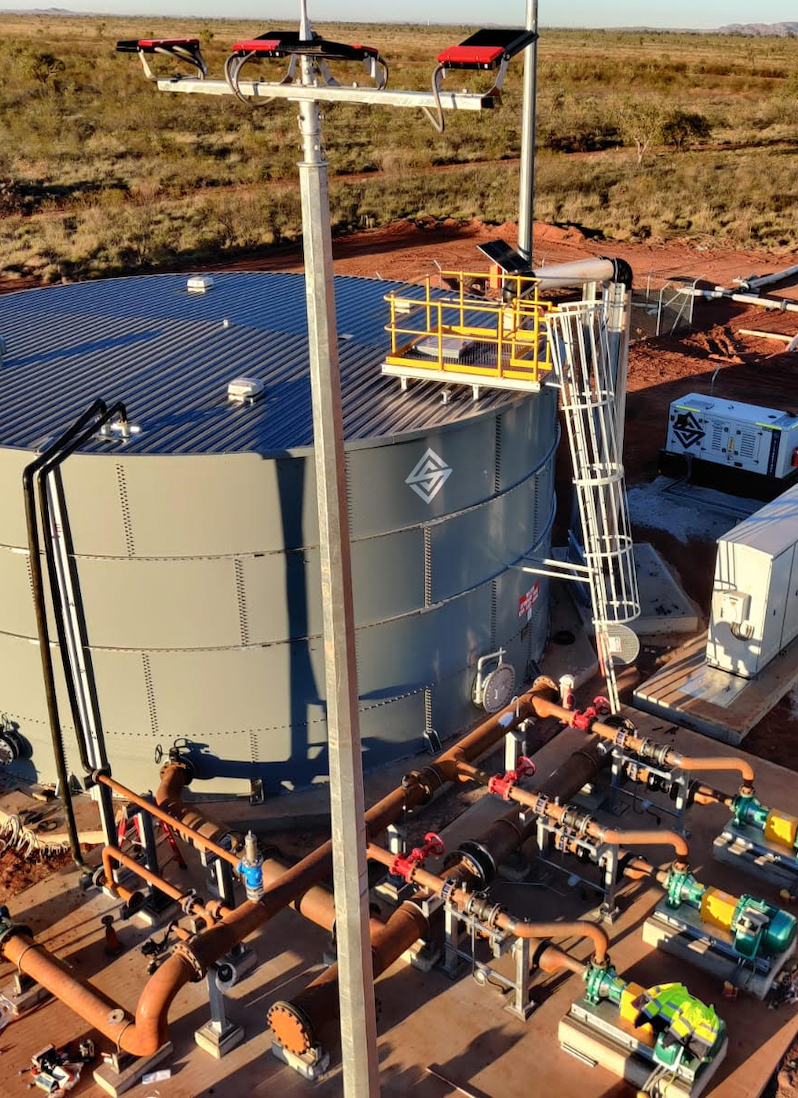
- Pump stations and storage facilities
- Water distribution and dewatering systems
- Treatment infrastructure
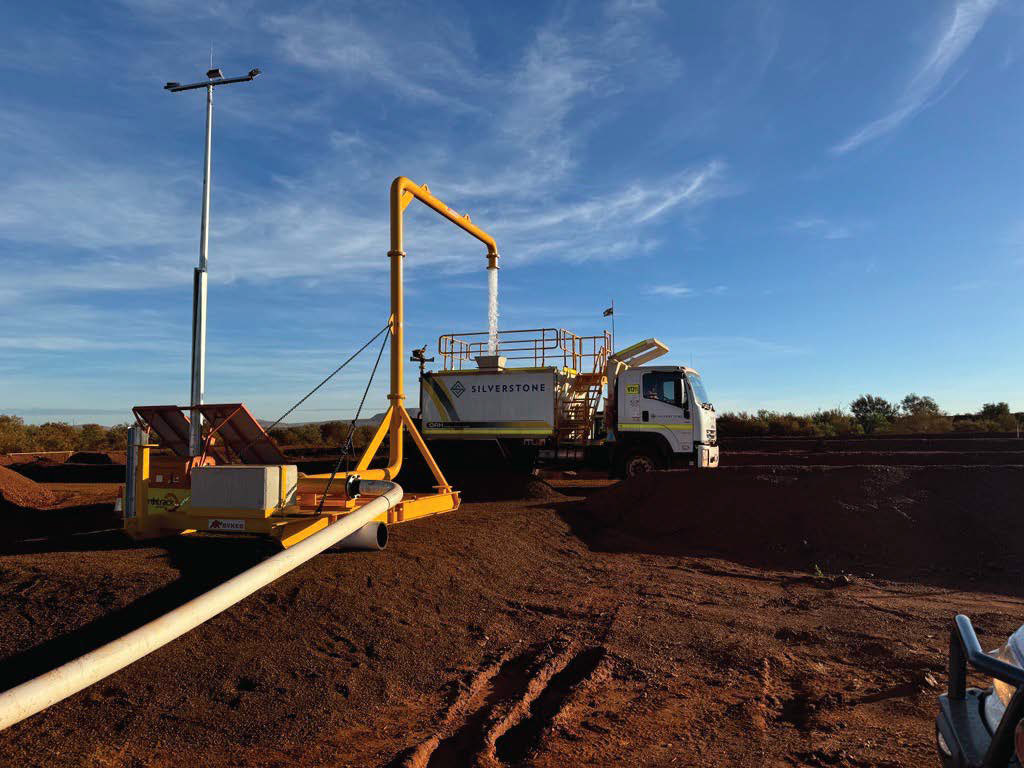
- Standpipes and operational water points
- Electrical supply and control infrastructure
- Telemetry and remote monitoring systems
Each component has its own engineering requirements. It also has to operate as part of the wider network – a water system only performs as a whole.
This becomes particularly important on remote WA sites facing water infrastructure challenges like limited access and harsh operating conditions.
Civil Construction Creates the Physical Operating Platform
Civil construction determines where infrastructure sits and how it is physically supported. In other words, whether infrastructure stays where it was designed to sit. That’s one reason why civil construction is important in water infrastructure.
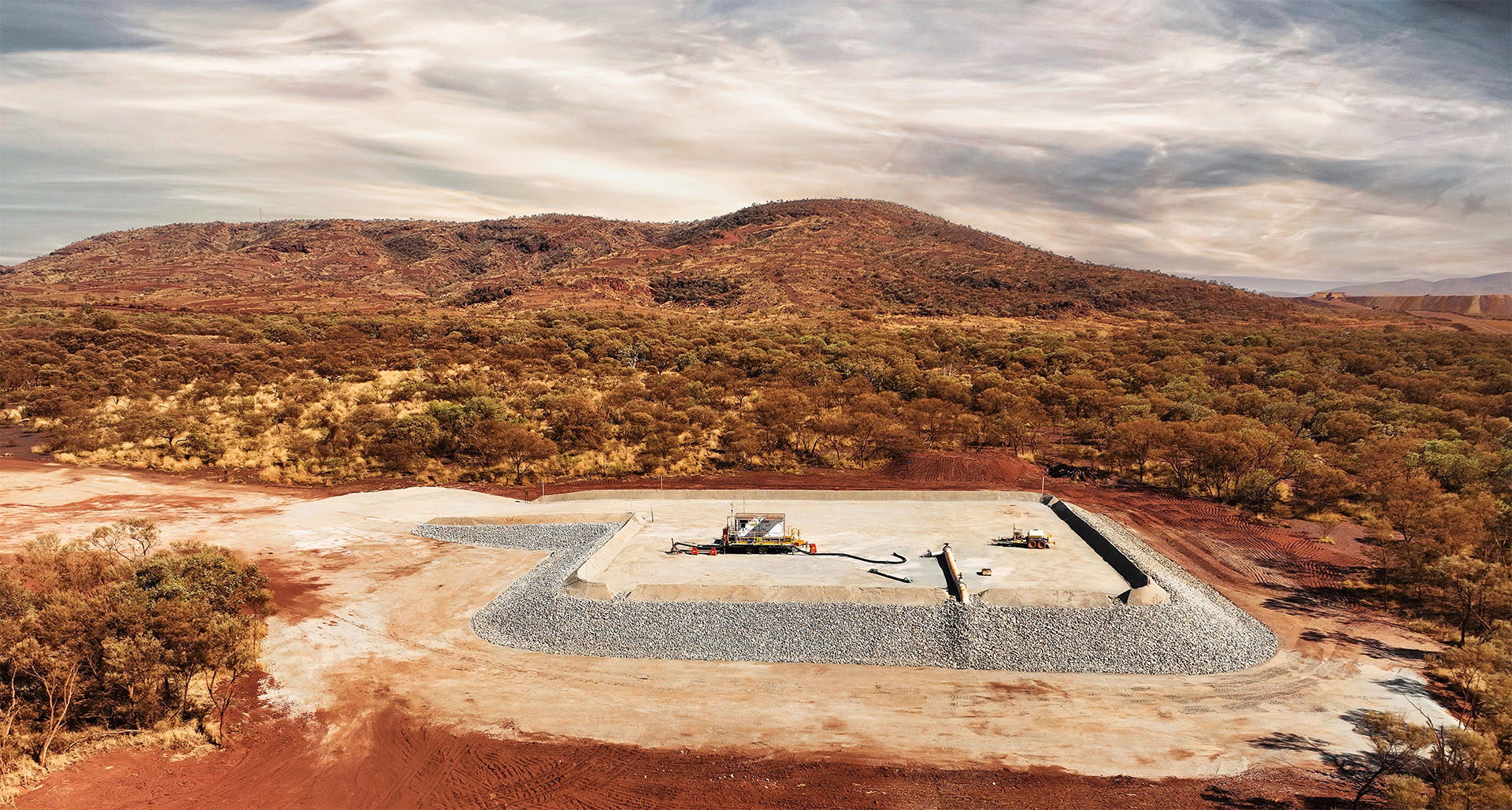
- Earthworks and site preparation: Cut, fill and compaction stabilise the ground for tanks and pumps. Poor compaction under a pump station lets the ground shift under vibration.
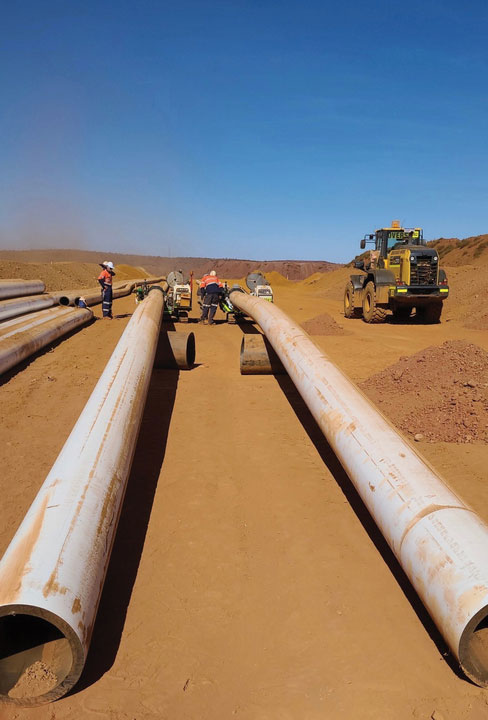
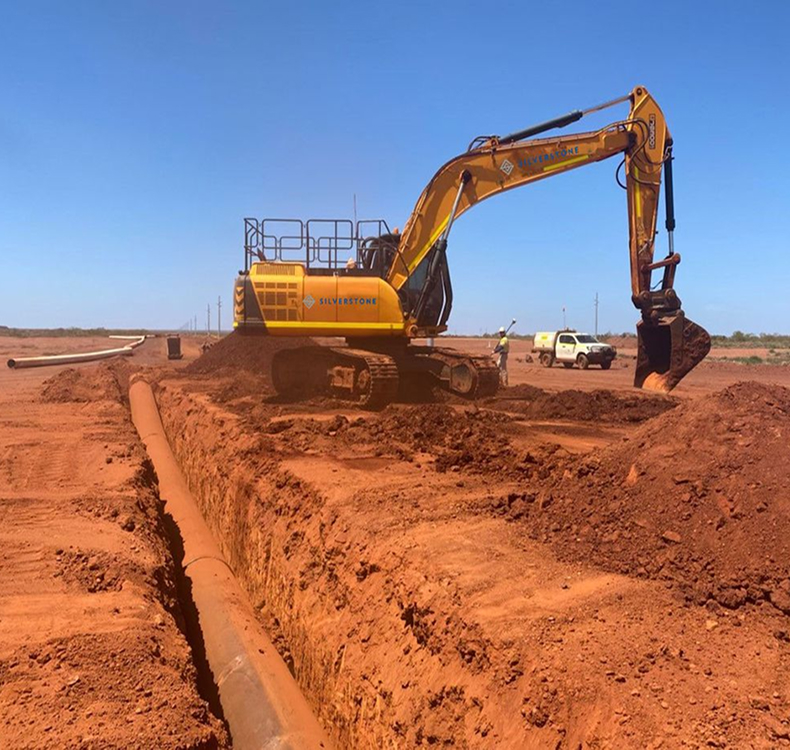
- Trenching and pipeline installation: Correct bedding, backfill and compaction protect the pipeline. Cables and conduits often share the corridor, so depth and crossing points need to be agreed before excavation.
- Structural foundations: Concrete works support pump stations and switch rooms. They must be engineered for dynamic loads and heat, and built to match the electrical plan.
- Drainage and environmental management: Site grading and drainage control surface water around pumps and electrical assets, as one heavy wet-season rain can put a control panel out of service.
These works can’t be treated as separate from electrical system work, which is why civil and electrical integration is important in water infrastructure. Foundation locations need to match mechanical layouts. Trenching needs to consider electrical crossings. Equipment pads need access for installation and future maintenance.
Electrical Systems Provide Power and Control
Civil works hold the system in place. Electrical and instrumentation systems make it operate and allow your team to monitor performance.
- Power supply systems: Power needs to match pump duty and the overall operating profile. Remote systems also need to account for runtime and changing demand.
- Control and automation systems: Local control panels and variable speed drives manage pump operation. They also govern start sequencing and pressure limits, which reduces manual intervention.
- Instrumentation and monitoring: Pressure, flow and level instruments provide operating data and equipment protection. Reliable data depends on correct installation and protected cabling in pipeline trenches.
- SCADA and remote monitoring: Telemetry lets a site manage assets spread across long distances.
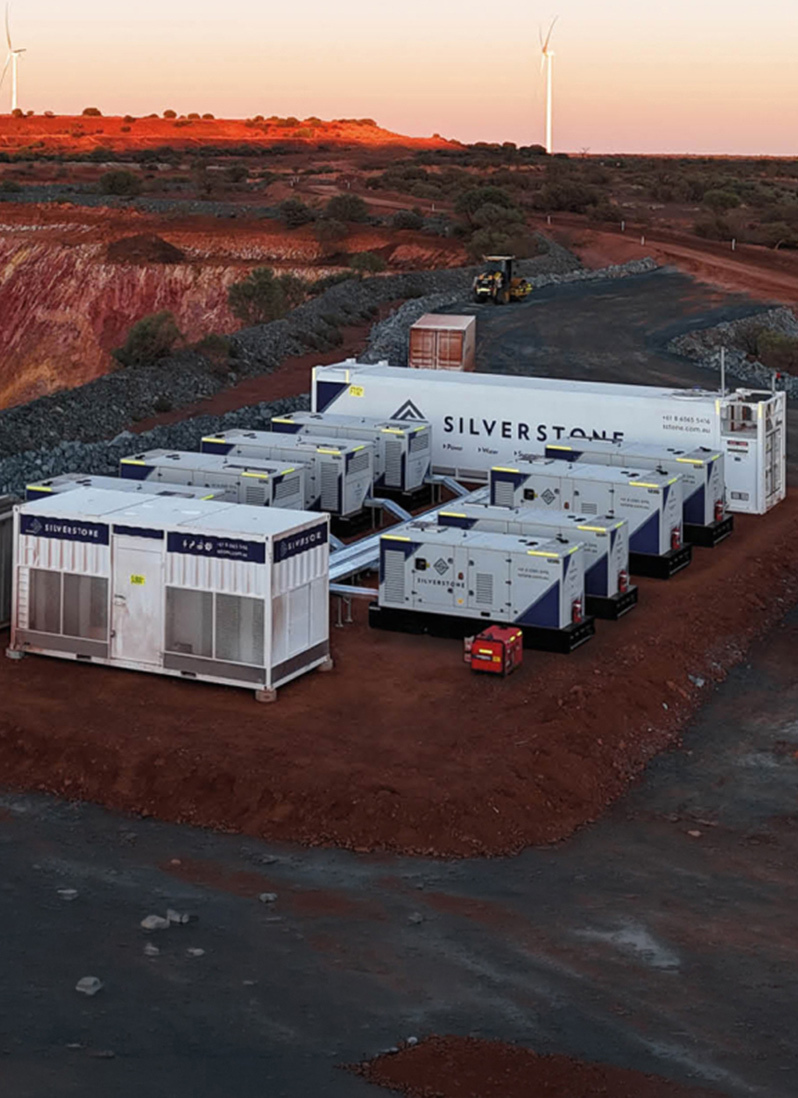
Power supply is especially challenging in remote mine sites without reliable access to the grid. Managing construction, upgrades and maintenance requires close collaboration between civil construction contractors and electrical instrumentation companies – or better yet, one integrated company managing both project streams. That’s the route Mt Whaleback chose, engaging Silverstone for a dewatering system upgrade that involved temporary power to five in-pit pump stations.
Why Civil and Electrical Integration Is Important in Water Infrastructure
System Integrity
Civil layouts need input from electrical teams so conduit routes and equipment locations can be incorporated into construction planning. Electrical design needs accurate information about pump locations and system duty. Instrumentation requirements need to reflect how the water network will actually operate.
Considering how all these systems interface before installation improves infrastructure reliability.
Operational Efficiency
A correctly sized pump still needs appropriate control, tuned to the hydraulic design, to reduce energy use and generator runtime. Instrumentation needs to provide useful information. Electrical infrastructure needs to support the required operating conditions.
Maintenance and Lifecycle Performance
Equipment that can’t be accessed safely can make routine maintenance a larger task than it needs to be. Good integration considers access and isolation requirements during design rather than after handover.
Safety and Compliance
Licensed trades and detailed documentation are non-negotiable for electrical instrumentation companies working around water. Silverstone holds Electrical Contractor and Plumbing Contractor licences and employs Schedule 26 supervisors.
Best Practices for Integrating Civil and Electrical Systems
Understanding why civil and electrical integration is important in water infrastructure means looking at the project as an operating system rather than a collection of separate work packages.
Good integration starts before mobilisation. In practice, that means:
- One engineering team responsible for the civil and electrical design.
- One construction sequence that accounts for both scopes.
- Digital design coordination to check locations and service routes, particularly where civil works and electrical infrastructure occupy the same constrained areas.
- Construction and installation crews who work alongside the team that designed the system.
- Commissioning treated as a project stage with the civil construction contractors and electrical instrumentation company in the loop.
Integration usually breaks down when civil and electrical works sit under separate contracts with no single, centralised design authority. Each contractor builds to its own drawings. The conflicts only become apparent during construction or commissioning, the most expensive time to find them.
Keeping civil and electrical teams aligned from design through handover gives those interfaces clear ownership. It allows problems to be resolved before they affect on-ground activity, and it improves communication at every level.
How Silverstone Delivers Integrated Water Infrastructure
Many operations engage civil construction contractors in Perth for the earthworks, and separate electrical instrumentation companies for the panels and telemetry. That model can be workable, but it carries risks that often sit with the client.
Under Silverstone’s integrated model, both disciplines sit with us. We design, construct, commission and maintain water infrastructure for mining operations across Western Australia.
Our civil construction crews and electrical and instrumentation teams work together:
- Our civil teams undertake site preparation and earthworks, drainage and concrete works, pipeline installation and infrastructure for water systems.
- Our electrical and instrumentation capability covers design and planning through to installation and commissioning for control systems.
This integrated capability has proven to benefit our clients. For example, when we delivered an end-to-end HV and LV standpipe system for a Pilbara mining project, starting at the design phase and handing over a complete commissioned system. Having civil construction and electrical capabilities aligned at every stage of the project contributed in no small way to delivering this critical infrastructure on time, on budget and incident-free.
See more Silverstone projects to understand why civil and electrical integration is important in water infrastructure.